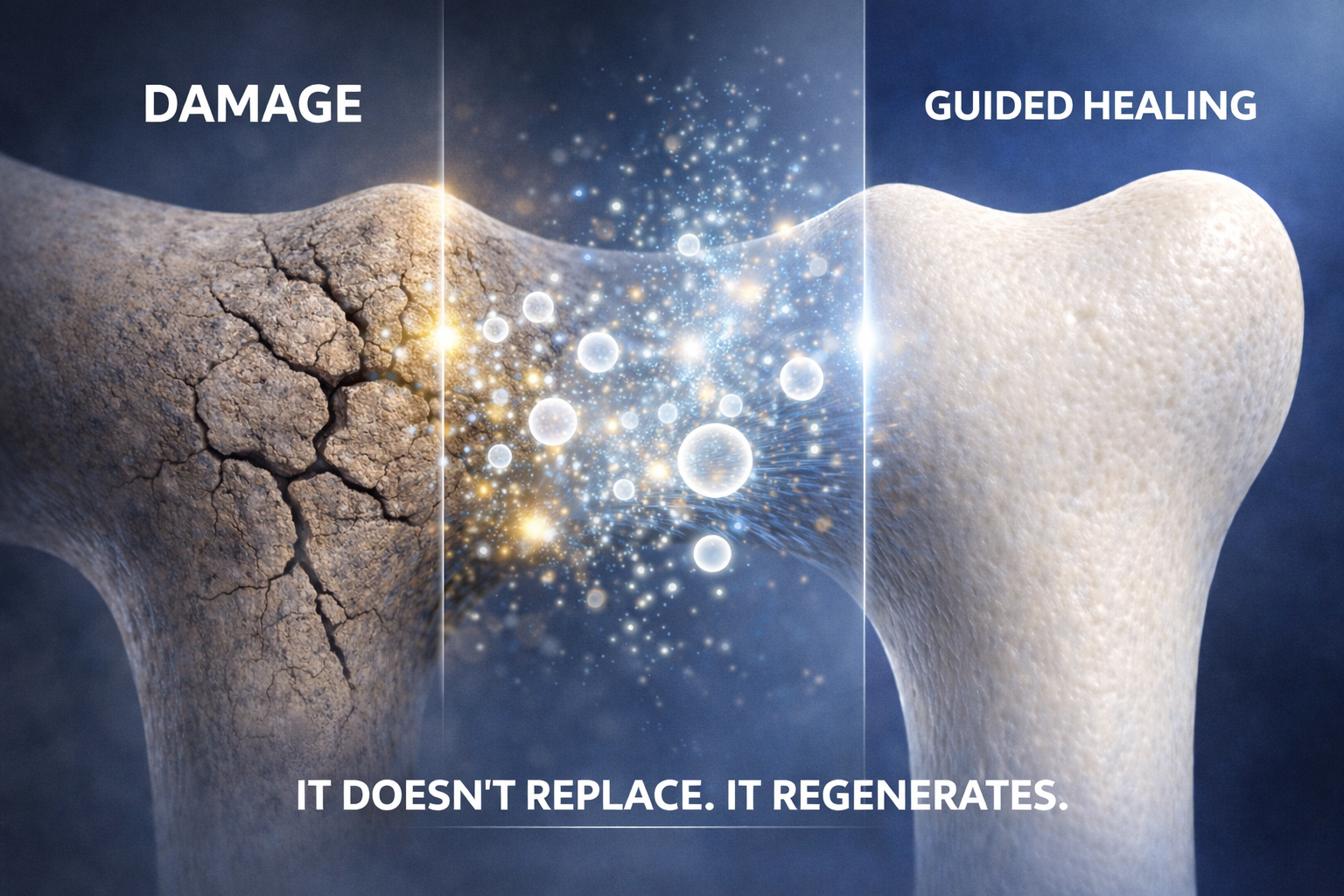

A Material That Doesn’t Just Repair — It Heals
In modern healthcare, the focus is slowly shifting from simply treating problems to actually helping the body heal itself. This is where bioactive glass is making a real difference.
First introduced in 1969, bioactive glass has grown from a niche discovery into one of the most promising materials in biomedical science. What makes it special is simple — instead of just sitting in the body like a replacement, it actively interacts with it and supports natural healing.
And today, with advancements in regenerative medicine and tissue engineering, its potential is only getting bigger.
What Exactly is Bioactive Glass?
At its core, bioactive glass is made from a combination of minerals like silica, calcium, sodium, and phosphorus — elements that are already familiar to the human body.
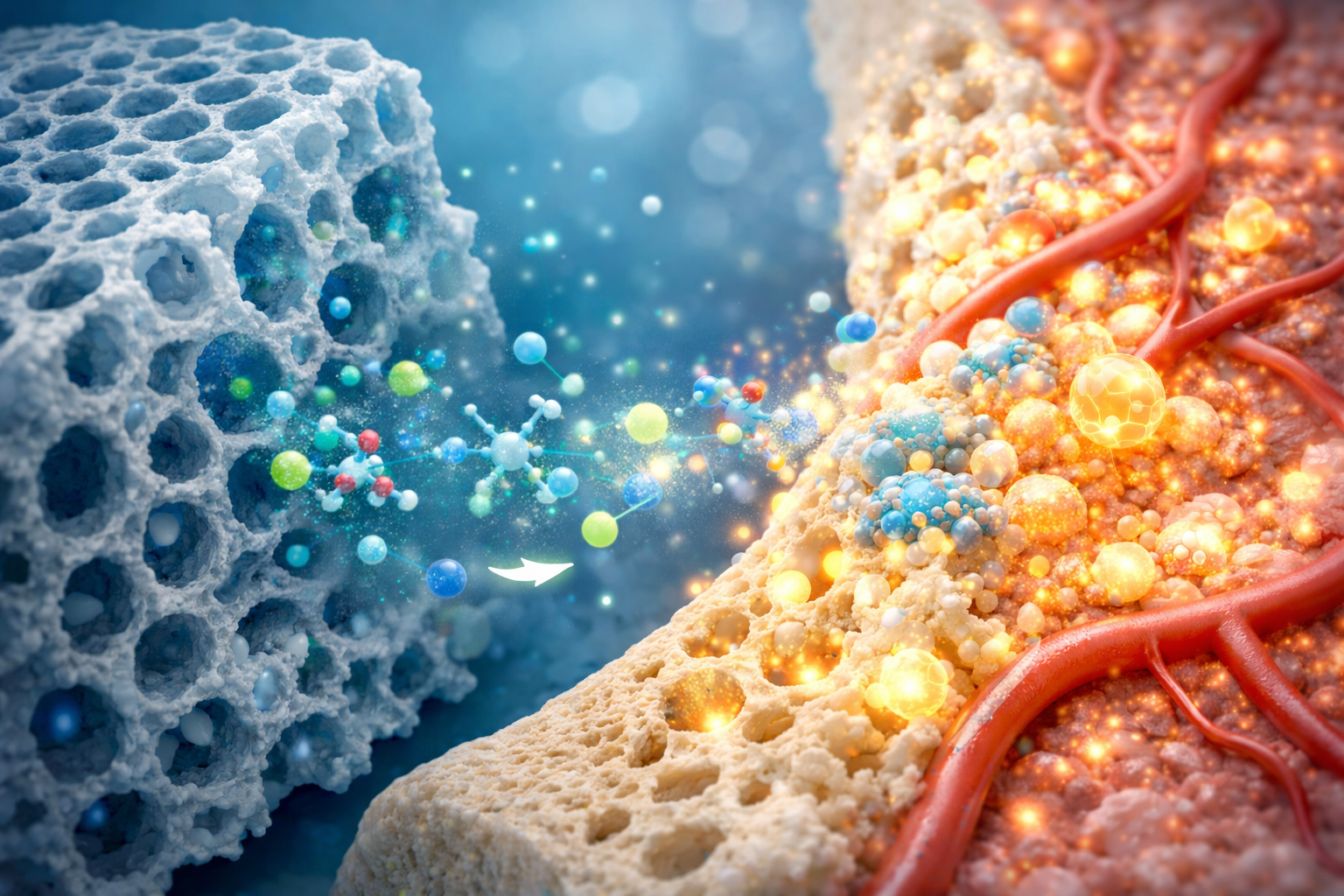
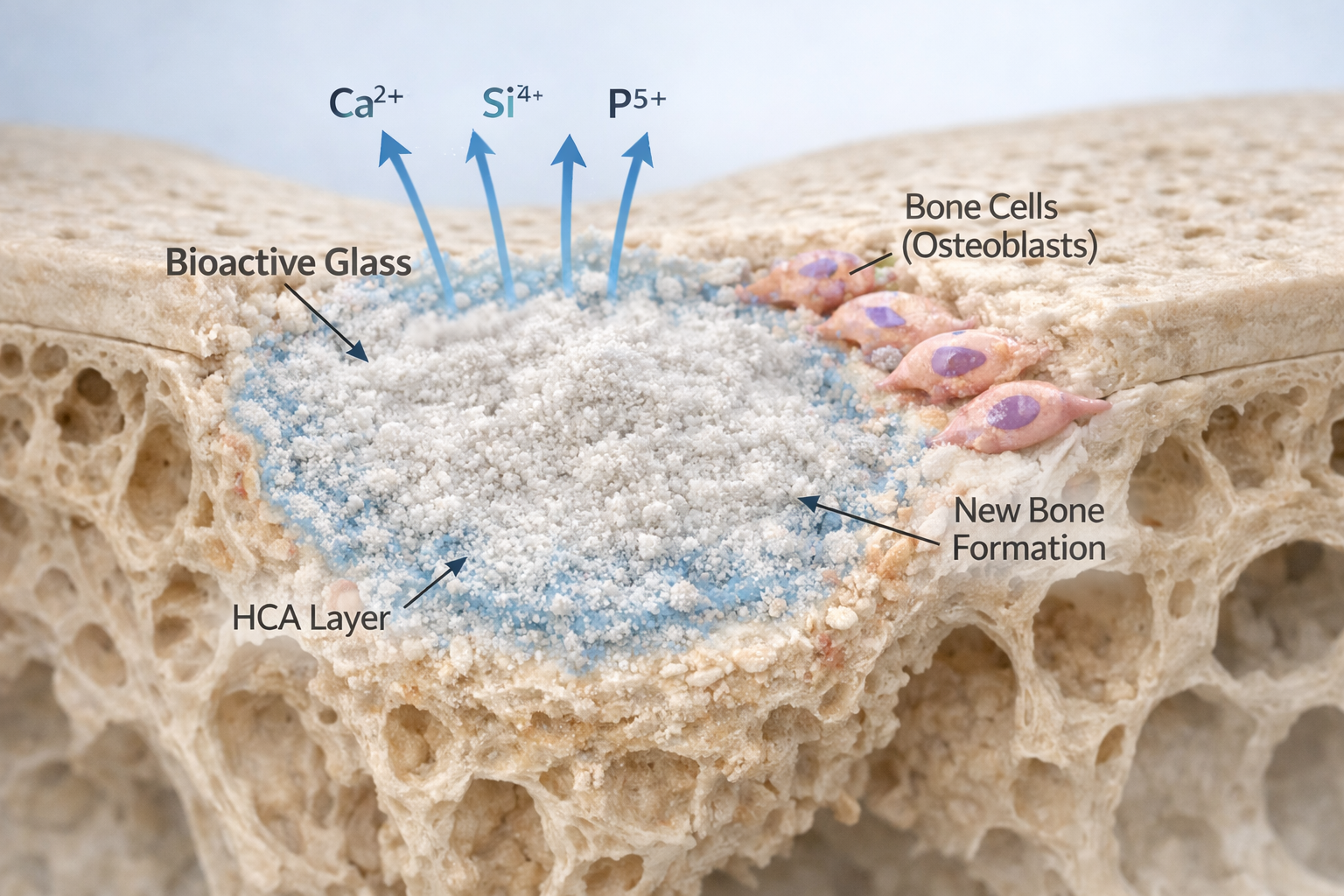
When this material comes in contact with body fluids, something interesting happens. It forms a thin layer that closely mimics natural bone. This allows it to bond directly with tissues, making healing smoother and more stable.
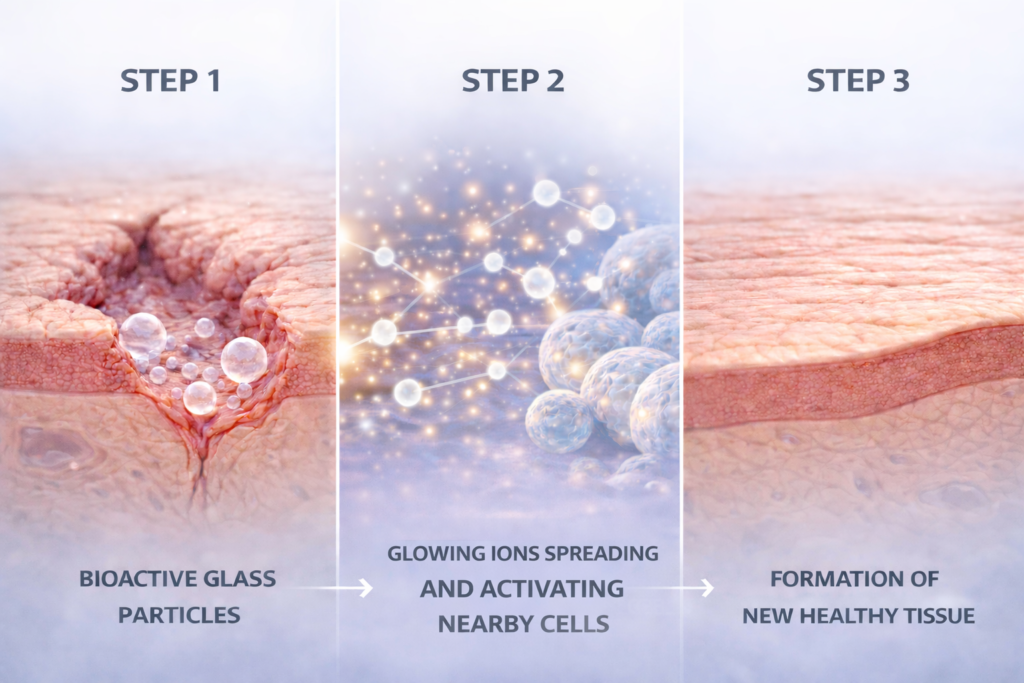
At the same time, it releases helpful ions like calcium and silicon. These ions act as signals that encourage cells to grow, repair, and even form new blood vessels.
In simple terms, bioactive glass doesn’t just fill a gap — it tells the body how to heal.
How It’s Made — And Why That Matters
Not all bioactive glass is the same. Its performance depends a lot on how it is made.
Some types are designed to be strong and stable, making them useful for bone support. Others are made more porous, almost like a sponge, which allows better interaction with cells and faster healing.
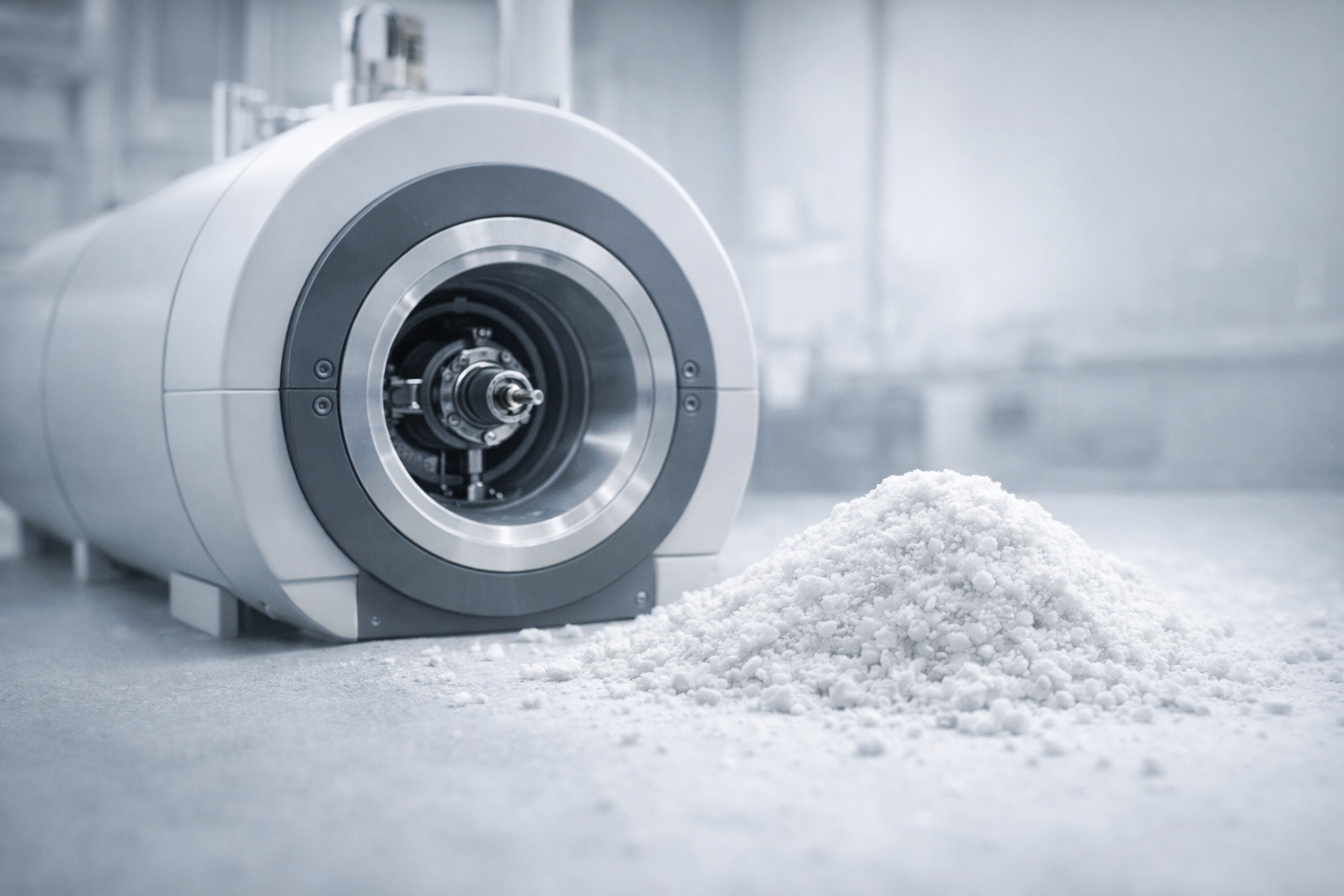
Newer manufacturing techniques, including advanced 3D structuring, are helping scientists design bioactive glass with precise shapes, sizes, and internal structures. This level of control is important because different medical needs require different material behaviors.
Where Bioactive Glass is Already Being Used
1. Bone Repair and Regeneration
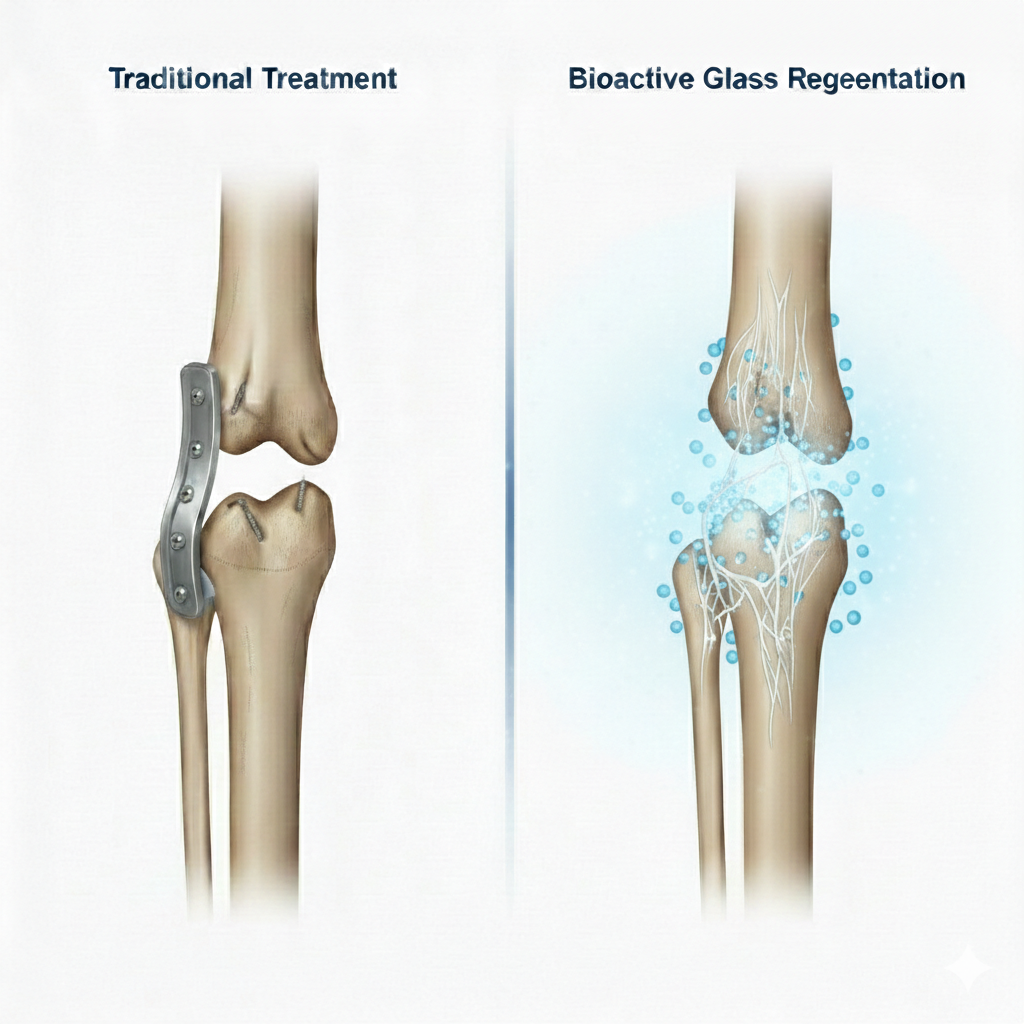
One of the most well-known bioactive glass applications is in bone healing. It helps guide new bone growth and even encourages the body to produce new bone on its own.
Because it bonds naturally with bone, it reduces the need for additional support materials.
2. Dentistry
In dental care, bioactive glass is used for repairing enamel, reducing tooth sensitivity, and improving implant success.
It supports natural remineralization, which means it helps rebuild the tooth structure over time.
3. Wound Healing
Bioactive glass is also used in treating wounds, especially chronic ones.
It creates an environment that supports tissue repair while also reducing bacterial growth. This makes it highly useful for burns and slow-healing wounds.
4. Drug Delivery Systems
One of the most advanced uses of bioactive glass is in drug delivery systems.
Certain forms of bioactive glass are designed with tiny pores that can hold medicines. These medicines are then released slowly and precisely where needed, improving effectiveness and reducing side effects.
What’s Changing: The Next Phase of Innovation
Smaller, Smarter Structures
With the help of nanotechnology, bioactive glass is now being developed at a much smaller scale.
This increases its surface activity, meaning it works faster and interacts better with cells. This is especially useful for advanced treatments like targeted therapies.
Stronger Hybrid Materials
Researchers are now combining bioactive glass with biodegradable polymers.
The result is a material that is not only biologically active but also mechanically stronger — making it suitable for areas of the body that need to handle pressure or load.
Enhanced with Therapeutic Ions
By adding elements like zinc, copper, or silver, bioactive glass can be given additional properties.
These include better antibacterial action, improved blood vessel formation, and faster tissue regeneration. This makes the material more versatile for different medical needs.
Challenges That Still Need to Be Solved
While the future looks promising, there are still a few limitations:
- It can be brittle, which makes it less suitable for heavy load-bearing applications
- Controlling how fast it dissolves in the body is still a challenge
- Large-scale manufacturing needs better consistency
- Clinical approvals take time due to strict regulations
These are active areas of research, and steady progress is being made.
The Future: Where Bioactive Glass is Heading
The real excitement around bioactive glass lies in what comes next.
In tissue engineering, scientists are working on combining bioactive glass with stem cells to create structures that can guide the formation of new tissues — not just bone, but potentially cartilage, nerves, and more.
Another breakthrough area is smart materials. Imagine an implant that can detect infection and release medication only when needed. Or a system that releases growth factors exactly at the right stage of healing.
These are not far-off ideas — they are already being explored.
Final Thoughts
Bioactive glass has come a long way from being just a bone repair material. Today, it stands at the center of innovation in regenerative medicine, drug delivery systems, and advanced healthcare solutions.
Its ability to actively support the body’s healing process makes it very different from traditional materials.
As research continues and technologies evolve, bioactive glass is expected to play a key role in shaping the future of healthcare — making treatments more effective, targeted, and natural.
Contact us through Synthera Biomedical social platforms to stay informed about pioneering bioactive glass research and clinical applications. Follow us on Instagram for product launches and research updates. Join the conversation on Facebook to access valuable resources and community news.
References
1. Hench, L. L. (2006). The story of Bioglass. Journal of Materials Science: Materials in Medicine, 17, 967–978.
2. Jones, J. R. (2013). Review of bioactive glass: From Hench to hybrids. Acta Biomaterialia, 9(1), 4457–4486.
3. Hench, L. L., & Jones, J. R. (2015). Bioactive glasses: Frontiers and challenges. Frontiers in Bioengineering and Biotechnology, 3, 194.
4. Hench, L. L., & Wilson, J. (1993). An introduction to bioceramics. World Scientific.
5. Hench, L. L. (1998). Bioactive materials: The potential for bone repair. Journal of Materials Science: Materials in Medicine, 9, 723–730.
6. Sauro, S., & Pashley, D. H. (2016). Bioactive glass in dentistry: A review of clinical applications. Dental Materials, 32(1), 20–31.
7. Liu, X., et al. (2017). Bioactive glass in wound healing: Current progress. Acta Biomaterialia, 63, 1–14.
8. Xing, Y., et al. (2014). Mesoporous bioactive glasses for drug delivery and bone tissue engineering. Journal of Controlled Release, 193, 282–295.
9. Wu, C., & Chang, J. (2014). Multifunctional mesoporous bioactive glasses for effective delivery of therapeutic ions and drug/growth factors. Journal of Controlled Release, 193, 282–295.https://doi.org/10.1016/j.jconrel.2014.04.026
10. Naruphontjirakul, P., Li, M., & Boccaccini, A. R. (2024).Strontium and zinc co-doped mesoporous bioactive glass nanoparticles for potential use in bone tissue engineering applications. Nanomaterials, 14(7), 5https://doi.org/10.3390/nano1407057511. Kargozar, S., Baino, F., & Hamzehlou, S. (2024).Advances in zinc-containing bioactive glasses: A comprehensive review. Journal of Functional Biomaterials, 15(9), 258.https://doi.org/10.3390/jfb15090258