Healthcare today is changing rapidly, especially with the rise of advanced biomaterials and regenerative medicine. Earlier, most treatments depended on materials like metals and traditional polymers that were designed to support or replace damaged tissues without interacting much with the body.
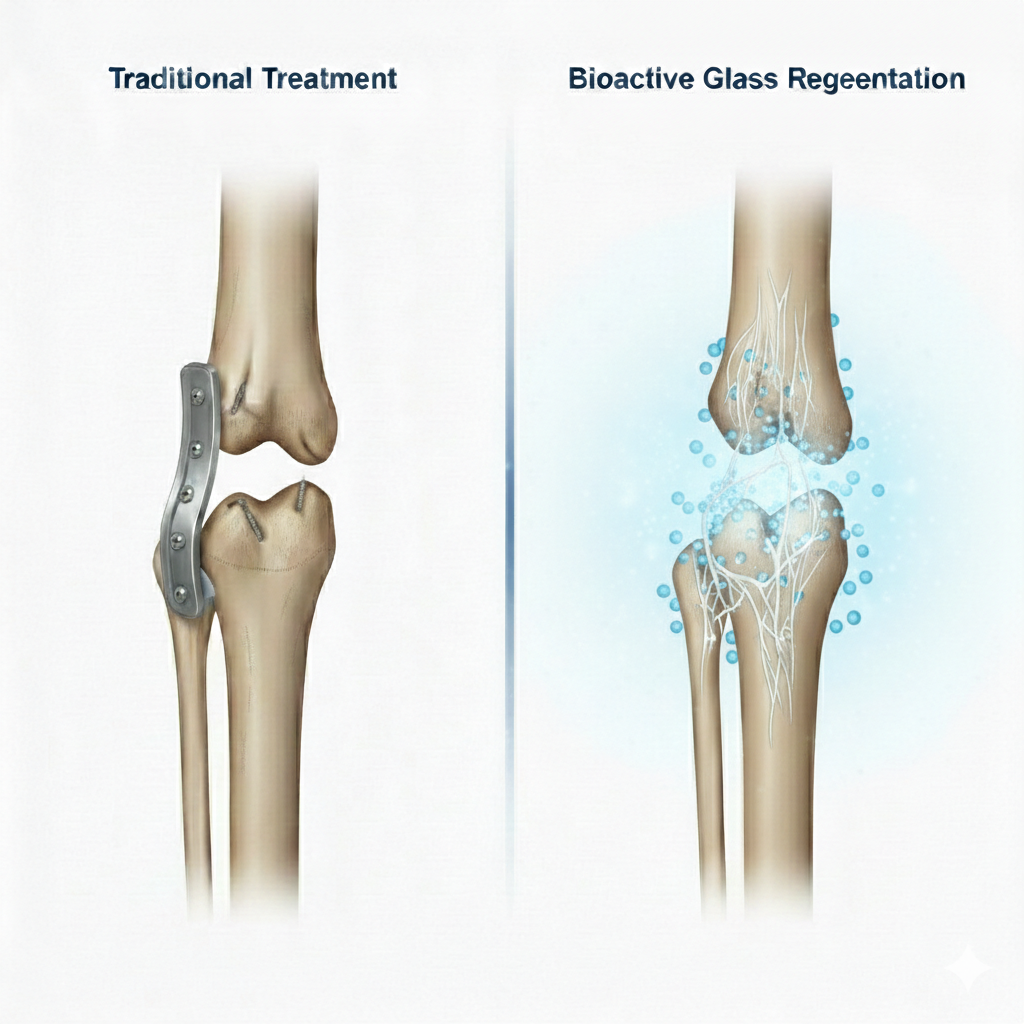
While these materials helped shape modern medicine, they often had limitations. They did not actively support healing, sometimes failed to integrate well with surrounding tissues, and could increase the chances of infection or additional surgeries.
This is where bioactive glass is making a significant difference.
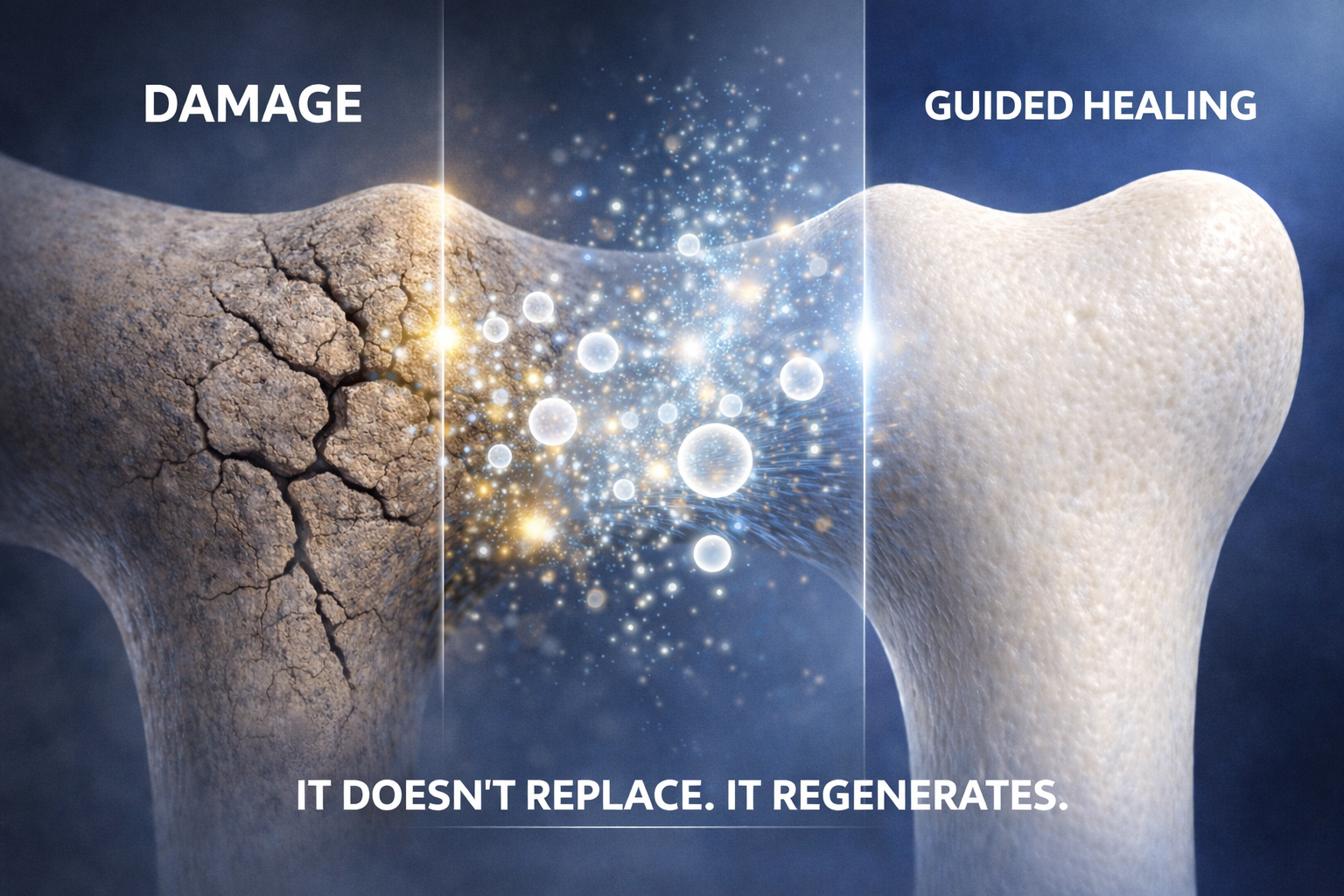
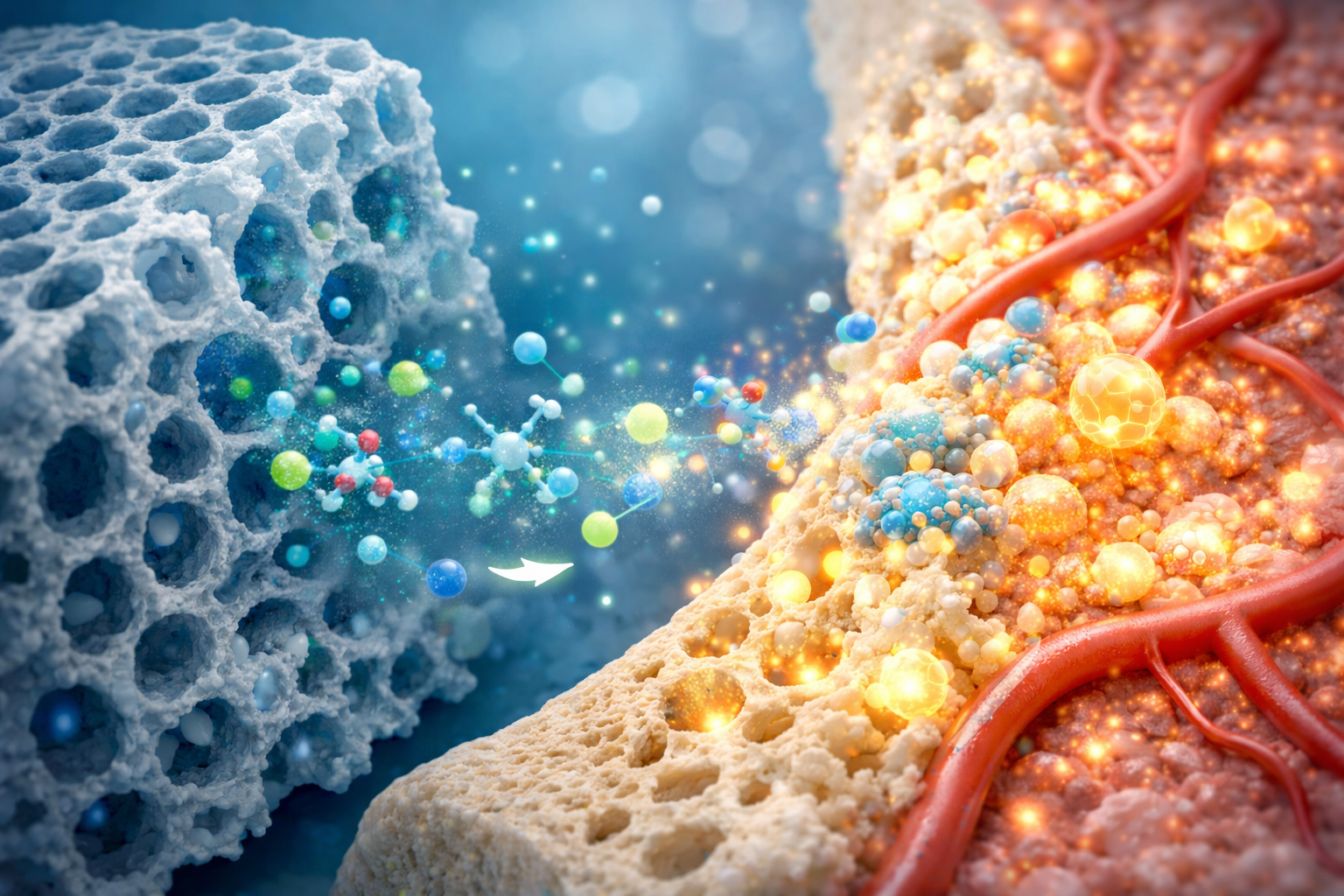
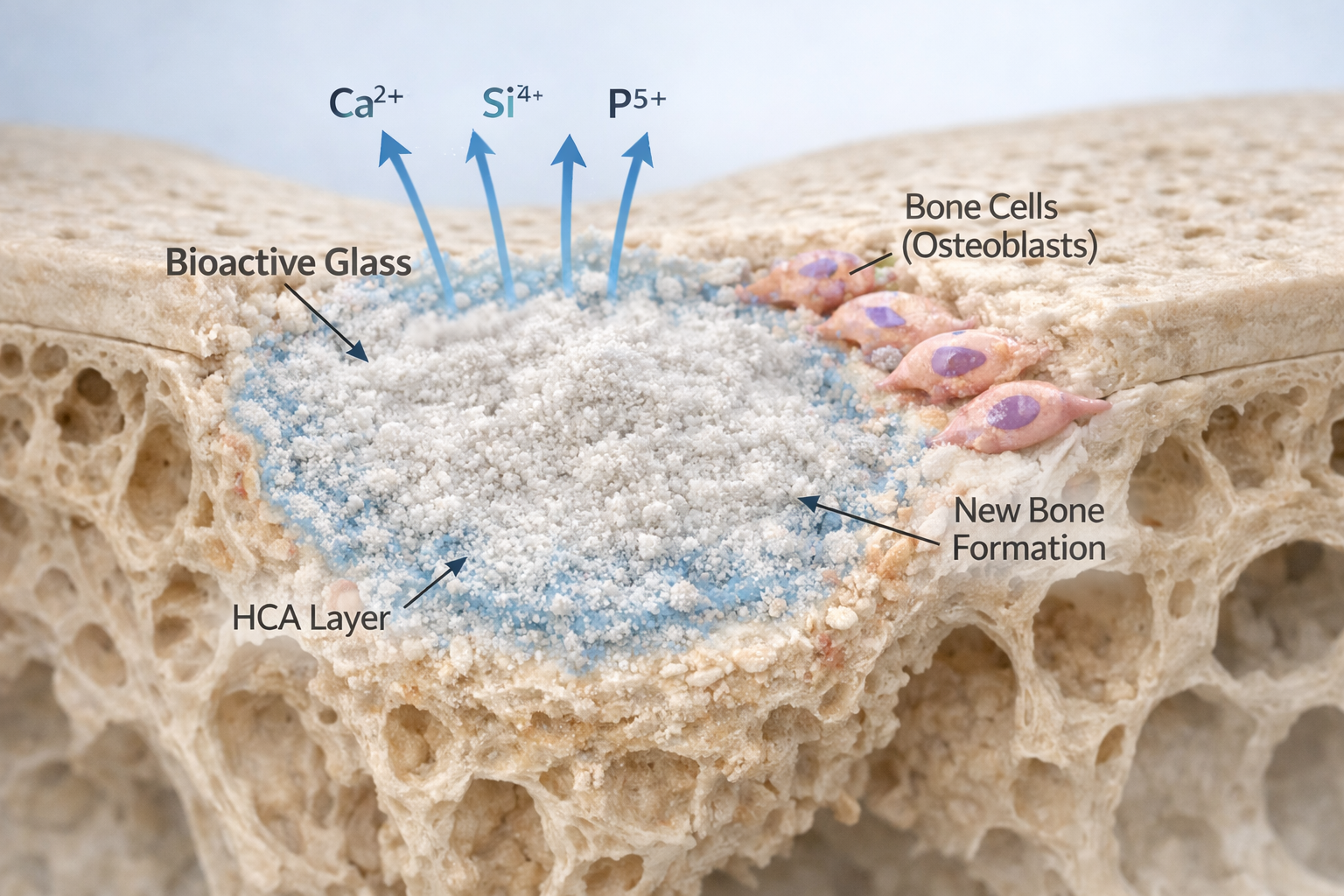
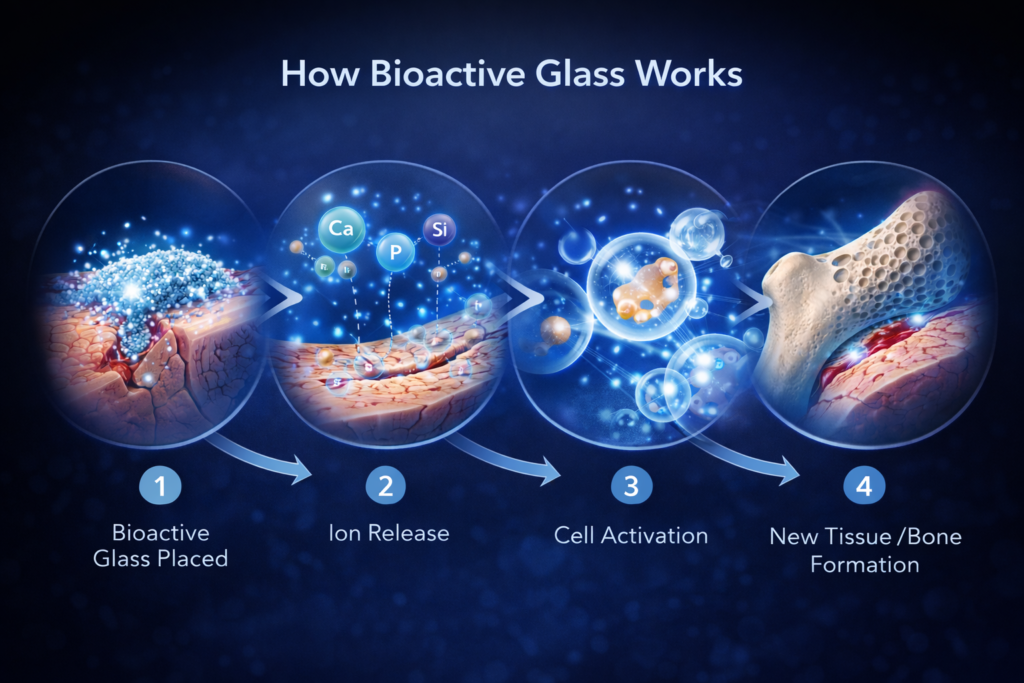
Unlike traditional materials, bioactive glass does more than just provide support. It actively interacts with the body and helps in the healing process. When placed in the body, it releases important ions such as calcium, phosphate, and silicon. These ions help trigger natural biological responses that support tissue repair, bone formation, and even reduce microbial activity.
This shift—from passive materials to active healing materials—is what makes bioactive glass an important part of future healthcare solutions.
1. Supporting the Shift Toward Regenerative Medicine
One of the main reasons bioactive glass is gaining attention is its role in regenerative medicine.
Instead of simply filling a gap, it helps the body rebuild itself. It supports key biological processes such as:
- Bone formation (osteogenesis)
- Formation of new blood vessels (angiogenesis)
- Cell growth and development
This makes it highly suitable for modern treatments where the focus is on healing and regeneration rather than just replacement.
As regenerative medicine continues to grow, materials like bioactive glass are becoming essential in supporting natural recovery.
2. Versatility Across Multiple Healthcare Applications
Another major advantage of bioactive glass is its flexibility across different medical fields.
It can be designed and used in different forms depending on the requirement, such as:
- Powders and granules for bone grafting and dental use
- Porous structures for tissue engineering
- Coatings for implants to improve bonding with tissues
- Composites combined with other materials for added strength
- Fibers and meshes for wound healing
Its composition can also be adjusted to control how fast it dissolves, how strong it is, and how it behaves inside the body.
For example:
- Faster dissolving types are useful for soft tissue healing
- More stable forms are used in load-bearing applications like orthopaedics
This adaptability makes bioactive glass suitable across orthopaedics, dentistry, wound care, and more.
3. Compatibility with Advanced Healthcare Technologies
Modern healthcare is increasingly connected with technologies like 3D printing and nanotechnology, and bioactive glass works well with these advancements.
With 3D printing, it can be used to create customized structures that match a patient’s exact needs. This is especially useful in complex cases where standard implants may not fit properly.
At a smaller scale, nanostructured bioactive glass offers:
- Higher surface area
- Better interaction with cells
- Faster healing response
It can also be used to carry therapeutic substances like antibiotics or growth factors, making it useful for targeted treatment.
Its ability to integrate with advanced technologies ensures that it remains relevant as healthcare moves toward more personalized solutions.
4. Improved Patient Outcomes
The real value of any healthcare material lies in how it benefits patients—and bioactive glass shows strong advantages here.
Faster Healing:
It supports natural biological processes, helping tissues heal more quickly.
Lower Infection Risk:
Its properties create an environment that is not favorable for bacterial growth.
Better Integration:
It bonds well with natural tissues instead of being isolated by the body.
No Need for Removal Surgeries:
Since it is biodegradable, it gradually dissolves and gets replaced by natural tissue.
Improved Quality of Life:
Faster recovery, fewer complications, and better long-term results contribute to overall patient well-being.
5. Cost-Effectiveness in the Long Run
Although bioactive glass is an advanced material, it offers strong economic benefits over time.
- Reduces hospital stay due to faster healing
- Minimizes the need for multiple surgeries
- Lowers costs related to infections and complications
- Can be produced using established manufacturing methods
While the initial cost may be similar or slightly higher than traditional materials, its long-term benefits make it a cost-effective solution for healthcare systems.
Conclusion
Bioactive glass is not just an improvement—it represents a major shift in how healthcare materials are designed and used.
It supports the key direction of modern medicine:
- Healing instead of just replacing
- Personalized treatment instead of standard solutions
- Efficient recovery with fewer complications
With its ability to actively support tissue repair, adapt to different applications, and work alongside advanced technologies, bioactive glass is becoming a strong foundation for future healthcare products.
As research continues, it is expected to play an even bigger role across multiple medical fields, moving from innovation to a widely accepted standard in healthcare.
Contact us through Synthera Biomedical social platforms to stay informed about pioneering bioactive glass research and clinical applications. Follow us on Instagram for product launches and research updates. Join the conversation on Facebook to access valuable resources and community news.
References:
1. Jones, J. R. (2013) , Review of bioactive glass: From Hench to hybrids. Acta Biomaterialia, 9(1), 4457–4486.
2. Rahaman, M. N. et al. (2011) Bioactive glass in tissue engineering.Acta Biomaterialia, 7(6), 2355–2373.
3. Fu, Q., Rahaman, M. N., Bal, B. S. (2013) Bioactive glass scaffolds for bone tissue engineering: state of the art and future perspectives. Materials Science and Engineering C.
4. Wu, C., & Chang, J. (2012) Mesoporous bioactive glasses: structure characteristics and drug delivery applications.Journal of Controlled Release.
5. Baino, F. & Vitale-Brovarone, C. (2017) Three-dimensional glass-derived scaffolds for bone tissue engineering.
6. El-Rashidy, A. A. et al. (2017), Review: Bioactive glass in bone and tissue regeneration. Journal of Biomedical Materials Research Part A.