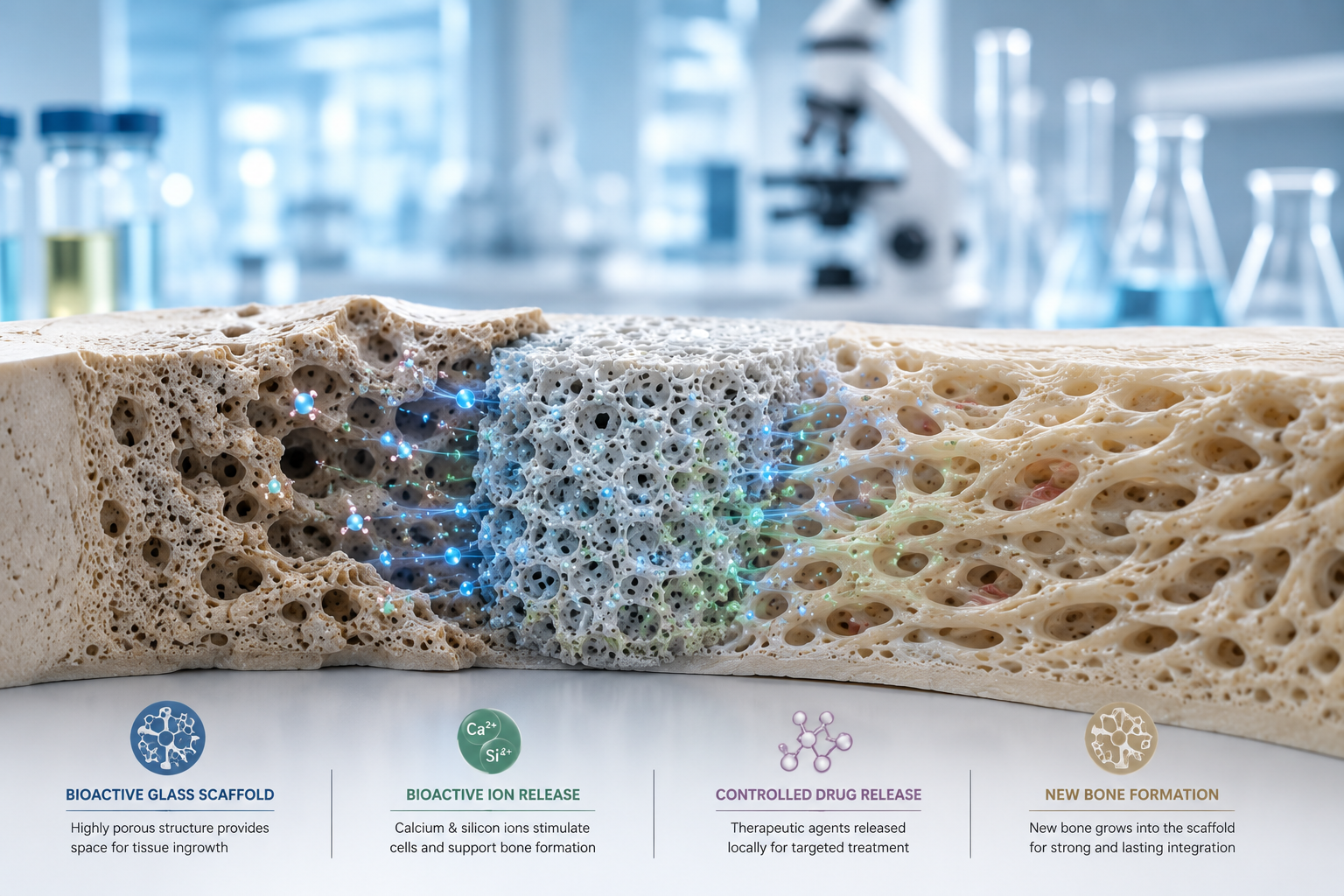

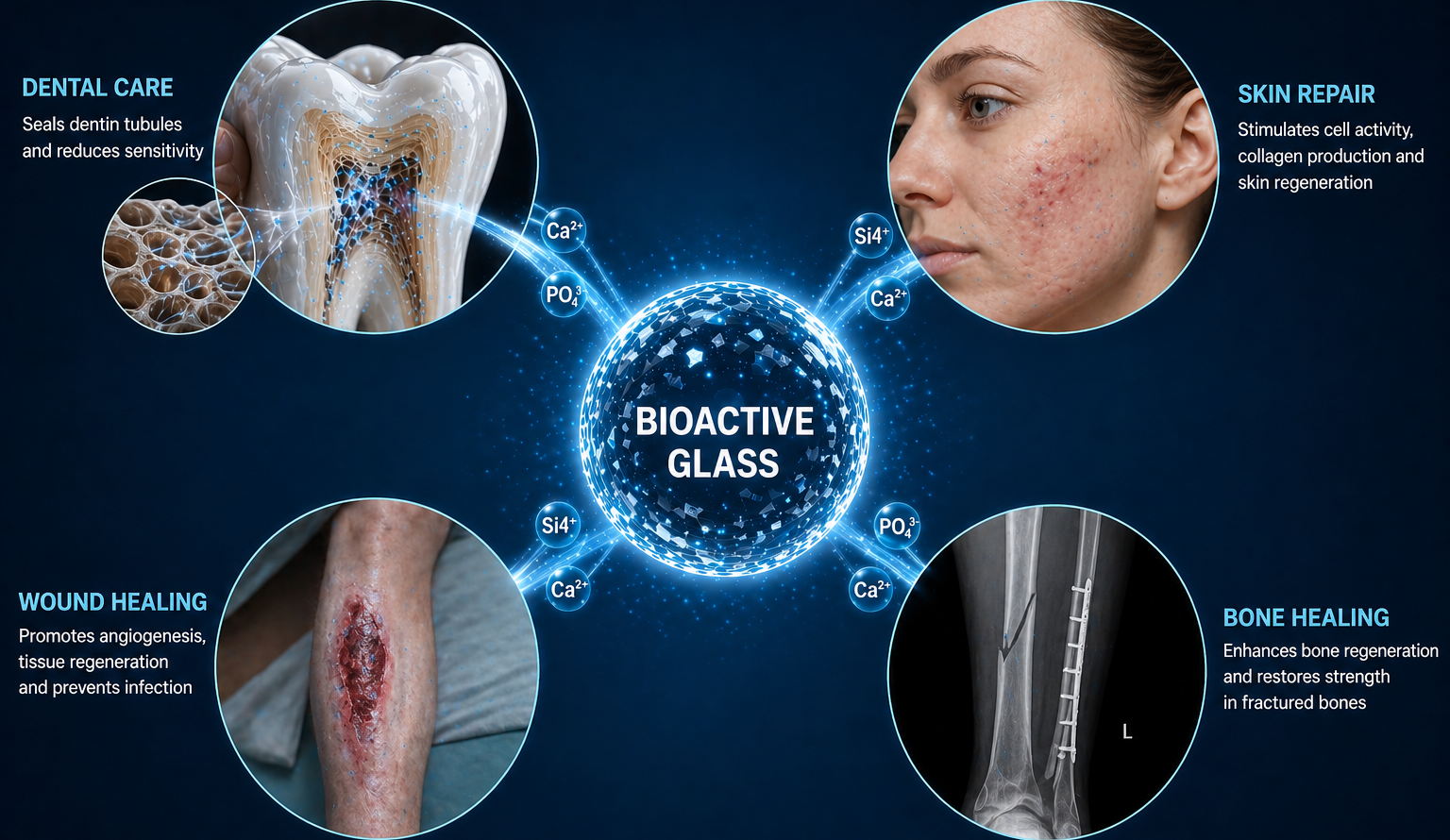

Bioactive glass is often associated with bone regeneration—but its potential goes far beyond orthopaedics. What makes this material truly unique is how it interacts with the human body. Instead of remaining passive, it releases beneficial ions like calcium, phosphate, and silica that actively support the body’s natural healing processes.
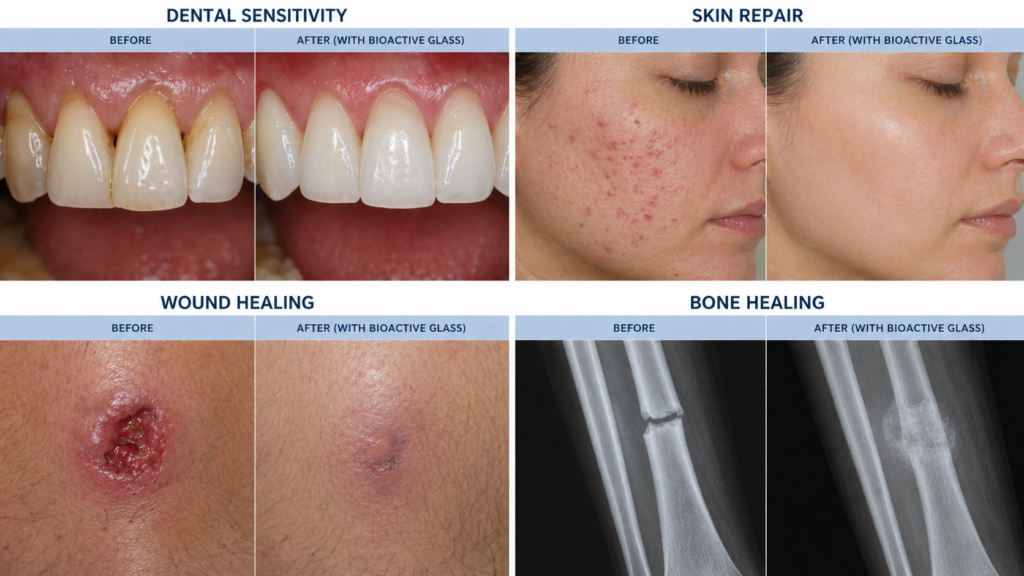
Because of this ability, bioactive glass is now being used to address several everyday health concerns. From relieving tooth sensitivity to improving wound healing and supporting skin repair, it is steadily becoming an important part of modern healthcare.
Let’s break down where and how it makes a real difference.
Dental sensitivity is one of the most common oral health issues, affecting people across age groups. That sharp discomfort you feel while drinking something cold or eating something sweet usually traces back to enamel wear or gum recession.
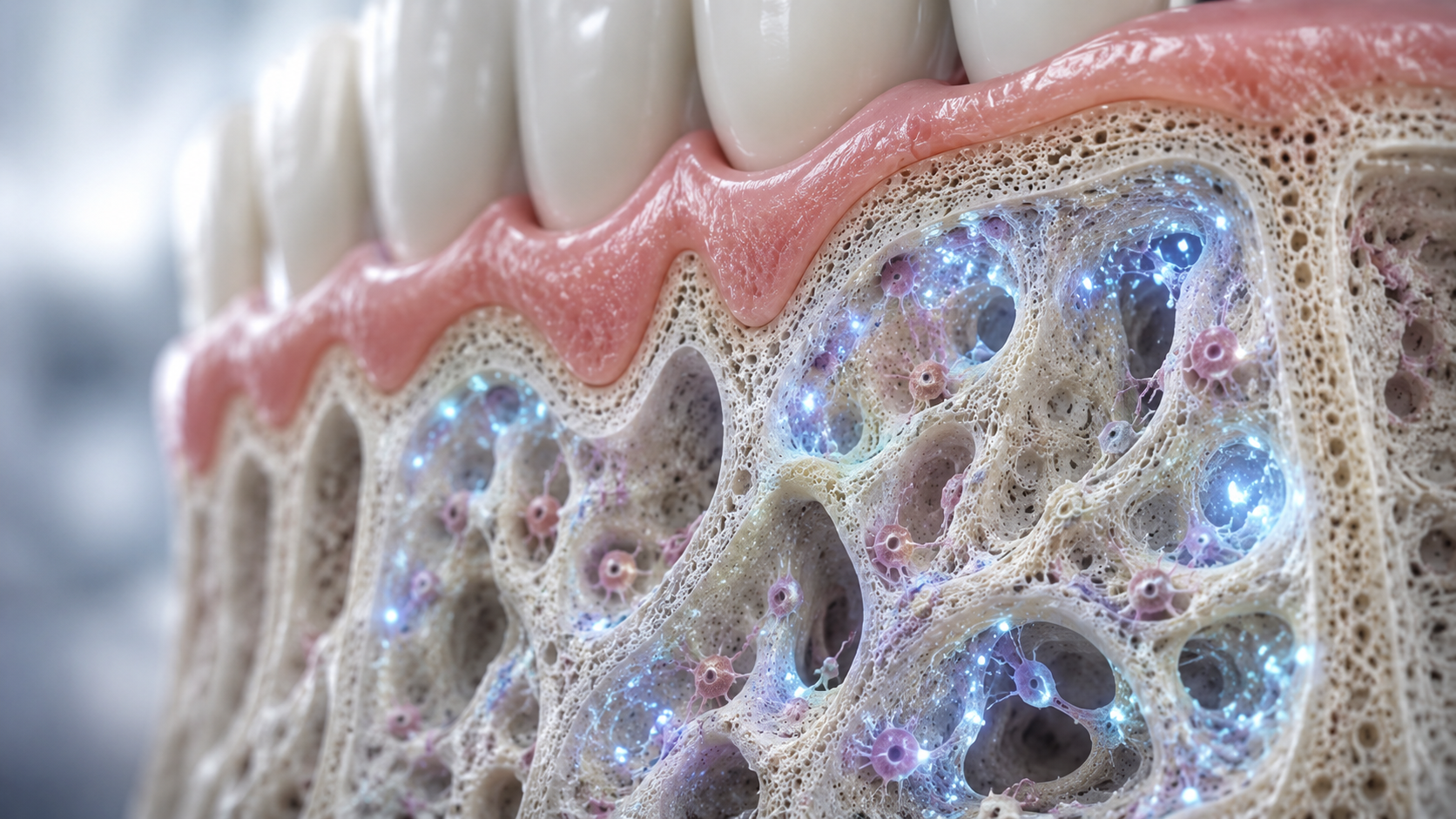
When enamel thins or gums recede, the underlying dentin becomes exposed. This dentin contains microscopic tubules connected to nerve endings. Any external trigger -heat, cold, acidity -can travel through these tubules and cause pain.
This is where bioactive glass plays a powerful role.
When used in oral care products like toothpaste, bioactive glass releases calcium and phosphate ions. These ions help form a protective mineral layer over exposed dentin. This layer effectively seals the open tubules, blocking external stimuli from reaching the nerves.
But the benefit doesn’t stop at immediate relief.
Bioactive glass also supports remineralization, helping rebuild and strengthen weakened enamel over time. Unlike traditional desensitizing agents that temporarily numb the nerves, it addresses the root cause of sensitivity -making it a more long-term and sustainable solution for oral health.
Our skin faces constant exposure to stress – pollution, UV rays, minor cuts, burns, and chemical irritants. While the body has its own healing mechanism, factors like aging, poor nutrition, or infection can slow down recovery and affect skin quality.
Bioactive glass introduces a more active approach to skin repair.
When it comes in contact with skin or bodily fluids, it releases ions such as calcium, sodium, and silicon. These ions trigger important cellular responses, including the activation of fibroblasts and keratinocytes – cells that are essential for tissue regeneration.
It also helps create a more favourable healing environment by maintaining an optimal pH level. This discourages harmful bacterial growth while supporting healthy cell activity.
Another important benefit is its role in collagen production. Collagen is the structural protein responsible for skin strength and elasticity. By boosting collagen synthesis, bioactive glass not only speeds up healing but also improves the quality of repaired skin, making scars less noticeable.
Because of these combined benefits, it is now being used in:
This makes bioactive glass valuable not just medically, but also aesthetically.
Primary keyword used: bioactive glass for skin repair
Secondary keywords: skin regeneration technology, collagen stimulation, advanced wound care materials
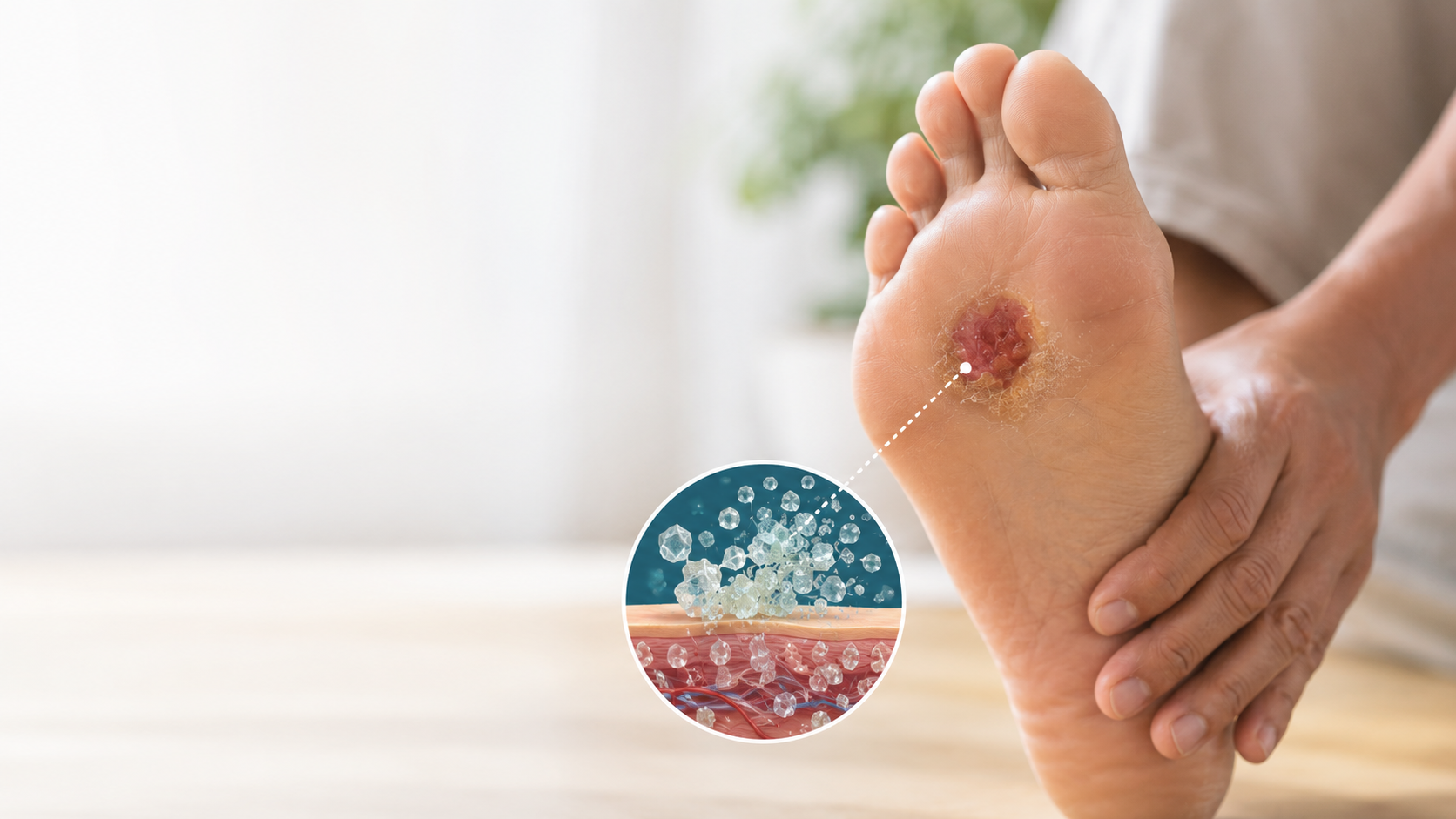
Wound healing is a complex process that happens in three stages: inflammation, tissue formation, and remodelling. While the body is naturally equipped to heal, certain conditions – like diabetic ulcers, chronic wounds, burns, or post-surgical complications – can delay or disrupt this process.
Bioactive glass stands out because it doesn’t just cover the wound -it actively supports healing at multiple levels.
One of its key roles is promoting angiogenesis, the formation of new blood vessels. This improves oxygen and nutrient supply to the wound, which is essential for faster recovery.
It also stimulates the activity of:
Together, these effects help accelerate tissue regeneration in a more organized and efficient way.
Another major advantage is its antibacterial effect. By increasing the local pH and releasing active ions, bioactive glass creates an environment where harmful bacteria struggle to survive. This reduces infection risk – one of the biggest barriers to proper wound healing.
With improved blood flow, enhanced cellular activity, and infection control, bioactive glass significantly improves healing outcomes. This is why it is increasingly used in advanced wound care systems, especially for complex or slow-healing wounds.
Whether in dentistry or general medicine, implants need to integrate well with the body to succeed long-term. One of the biggest challenges is that the body may treat implants as foreign objects, leading to inflammation, infection, or poor bonding.
Bioactive glass offers a solution through its bioactive nature.
When it interacts with bodily fluids, it forms a hydroxyapatite-like layer on its surface. This layer closely resembles natural bone mineral, allowing the implant to bond directly with surrounding tissues.
In dental applications, this improves osseointegration the process where bone grows and attaches to the implant. It also supports gum health, reducing inflammation and helping maintain a stable oral environment.
In broader medical use, bioactive glass:
By improving both physical stability and biological integration, it significantly increases the success rate of implants.
Bioactive glass is no longer limited to bone repair -it is a multifunctional material that is quietly transforming everyday healthcare.
Its ability to:
makes it highly effective in solving common issues like dental sensitivity, skin damage, wound healing challenges, and implant stability.
As research continues to evolve, the role of bioactive glass will only expand -bringing more advanced, science-backed solutions into daily healthcare and personal well-being.
Contact us through Synthera Biomedical social platforms to stay informed about pioneering bioactive glass research and clinical applications. Follow us on Instagram for product launches and research updates. Join the conversation on Facebook to access valuable resources and community news.
Extended References for Further Reading: