

Veterinary orthopedics has evolved significantly in recent years, especially with the introduction of advanced biomaterials that support faster and more effective bone healing. One such innovation gaining attention is bioactive glass.
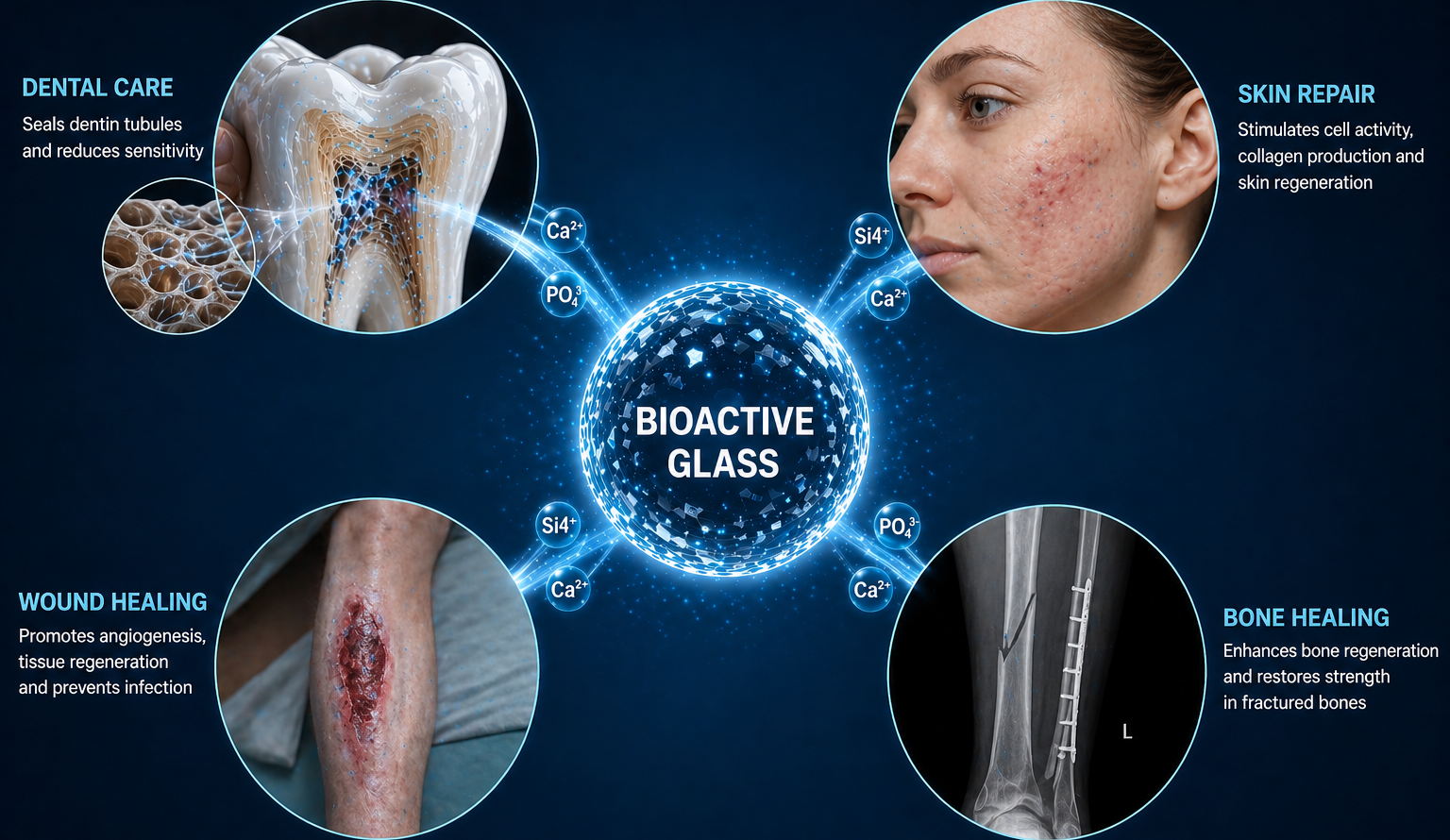
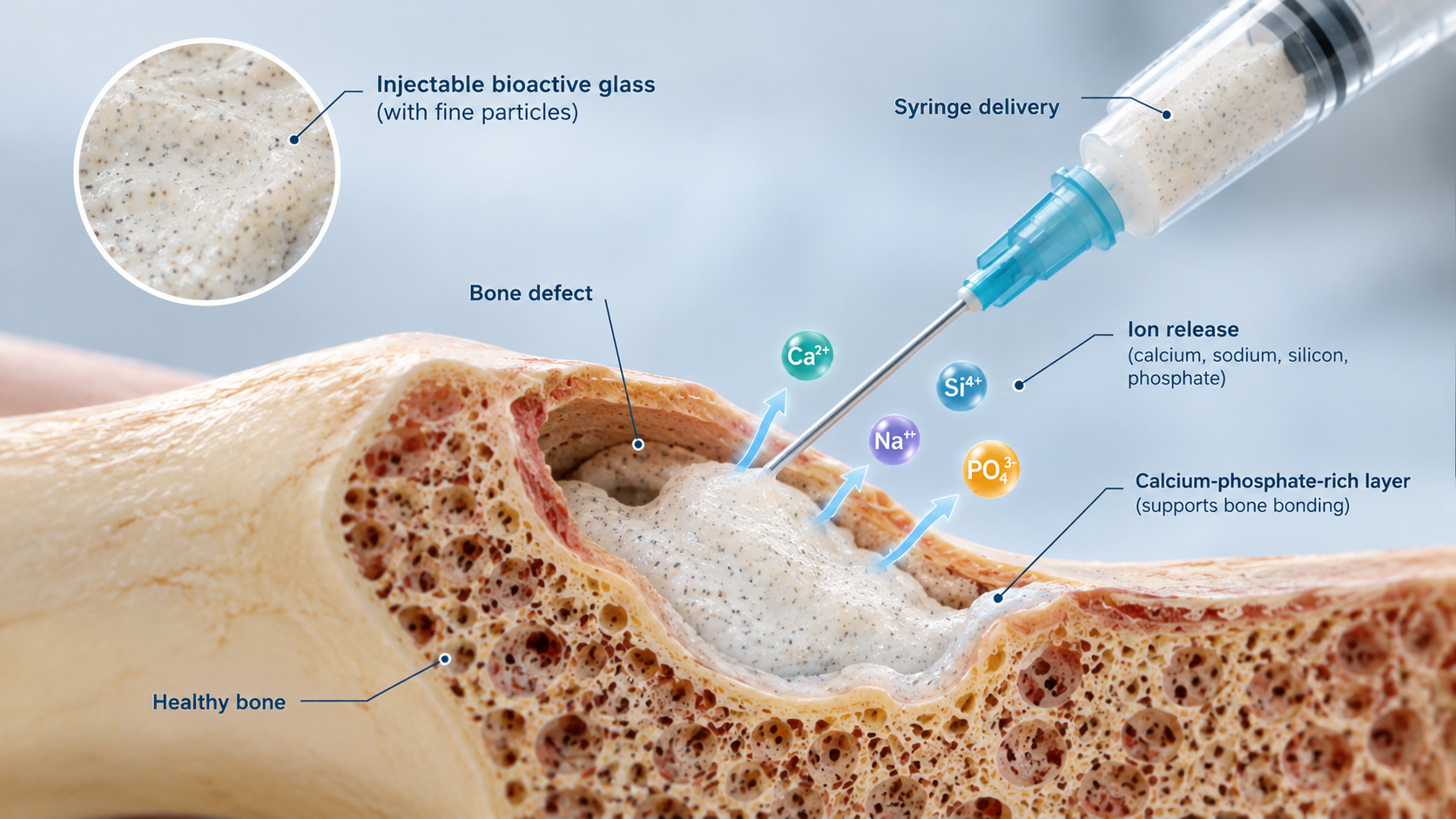
Bioactive glass is a synthetic biomaterial made from silica, calcium, sodium, and phosphorus. Unlike traditional materials that simply fill a space, bioactive glass actively interacts with surrounding tissues and supports the body’s natural healing process. When placed in the body, it forms a layer similar to natural bone mineral, helping it bond directly with bone and stimulate new bone growth.
Research has shown that bioactive glass offers several important advantages in veterinary orthopedics, including bone regeneration support, strong tissue bonding, and antibacterial properties. Because of these benefits, it is becoming an increasingly valuable option in orthopedic procedures for pets, companion animals, and livestock.
As the demand for safer and more effective bone graft alternatives continues to grow, bioactive glass is helping veterinarians improve healing outcomes while reducing complications such as infections and delayed recovery.
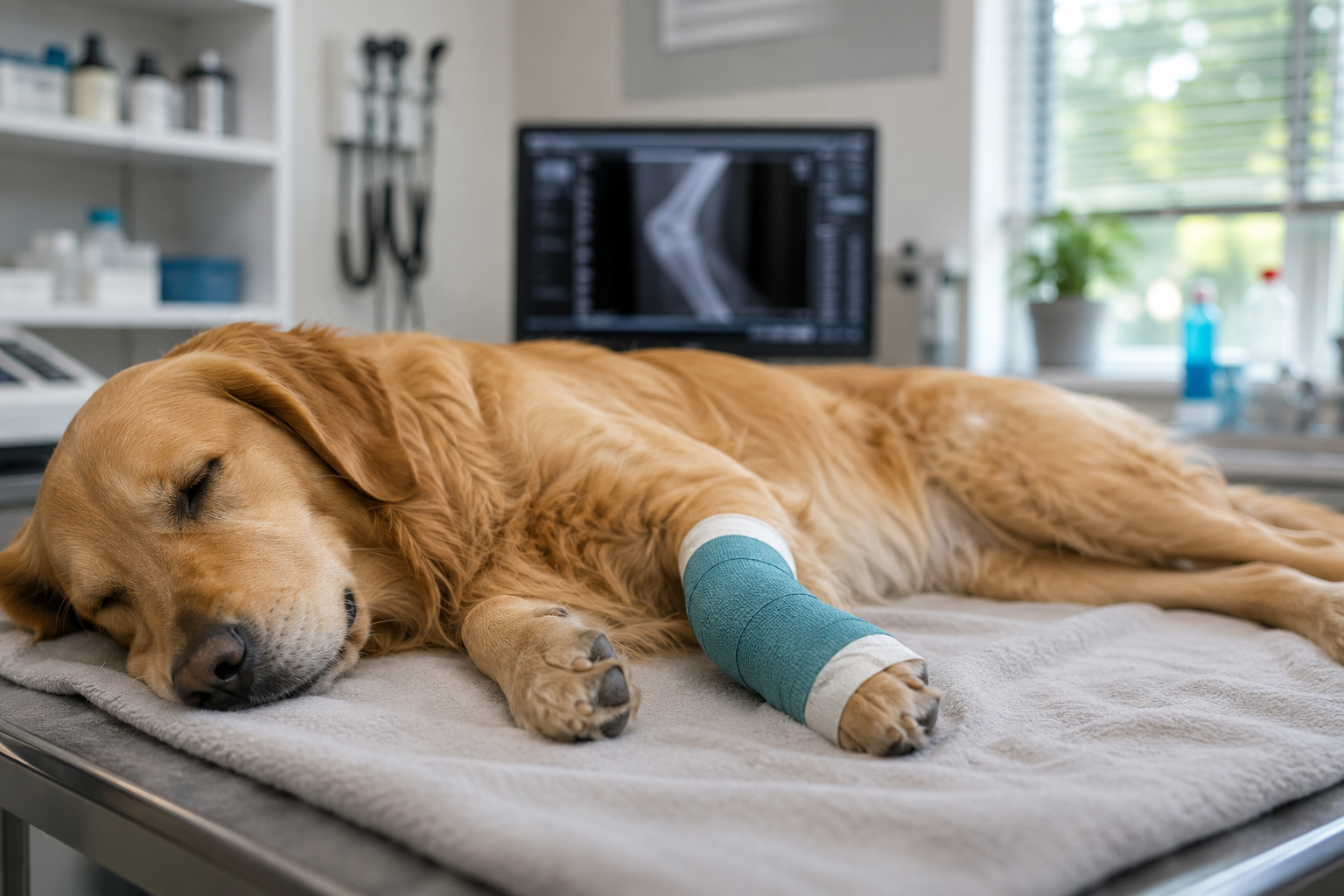
Bone injuries are common in both domestic and working animals. Conditions such as fractures, bone infections, joint degeneration, and dental bone loss can seriously affect an animal’s movement, comfort, and overall quality of life.
Some of the most common causes of orthopedic injuries in animals include:
Traditional treatment methods often involve metal implants, autografts, or allografts. While these treatments can be effective, they may also come with challenges such as:
These limitations have created a growing need for advanced veterinary biomaterials that can improve bone healing while reducing complications.
Today, veterinary medicine is moving beyond simply repairing damaged bones. The focus is increasingly on regenerative healing — helping the body rebuild and restore tissue naturally.
This has increased interest in biomaterials that can:
Bioactive glass meets many of these requirements. It actively supports osteoblast activity, improves mineralization, and encourages tissue regeneration during healing.
Unlike conventional inert materials, bioactive glass participates in the healing process itself, making it a highly promising material for veterinary orthopedic applications.
One of the most important advantages of bioactive glass is its ability to bond directly with bone.
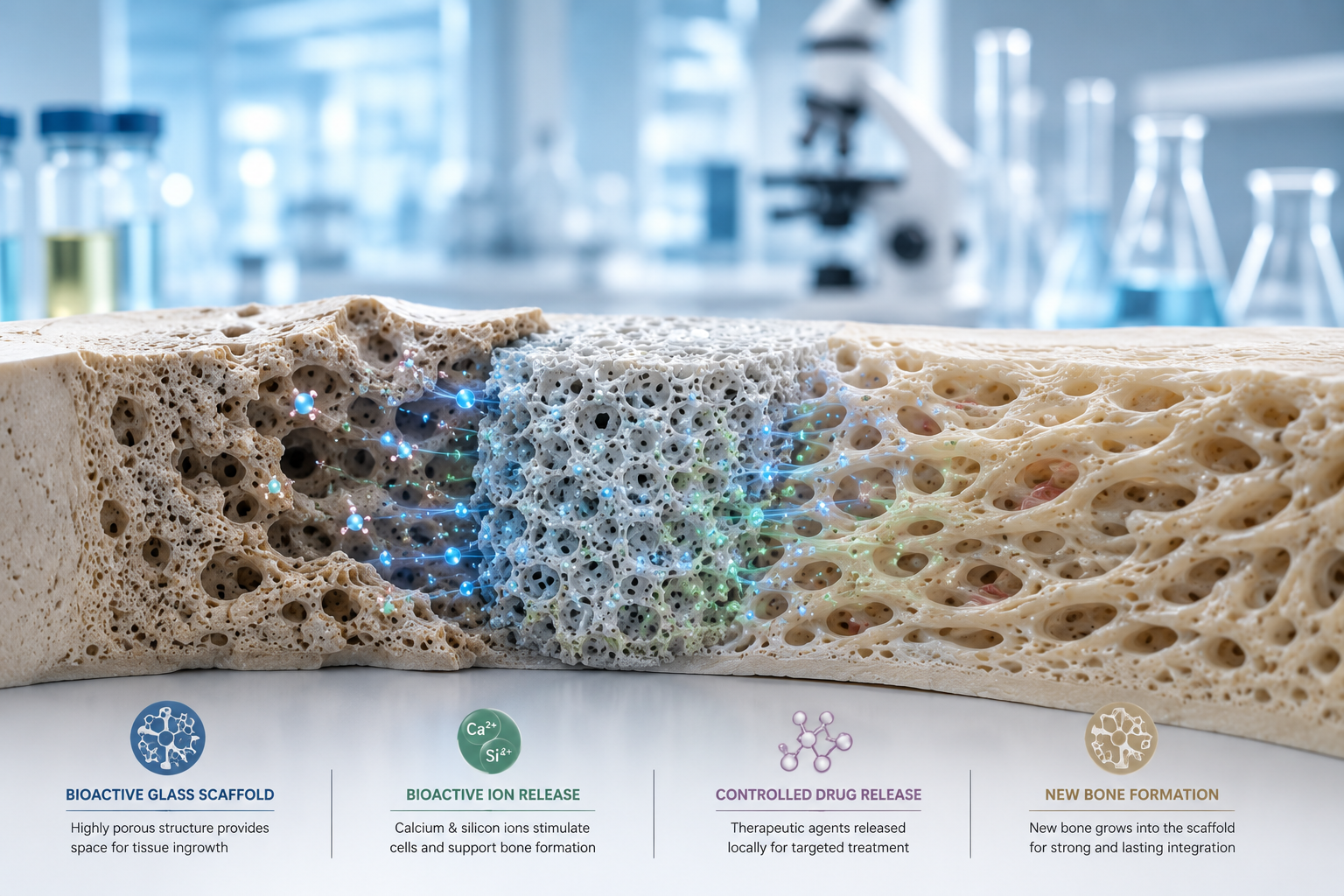
When implanted, the material undergoes surface reactions that form a hydroxycarbonate apatite (HCA) layer. This layer closely resembles natural bone mineral and helps create a strong connection between the implant and surrounding bone tissue.
This direct bonding improves implant stability and supports faster healing, especially in fracture repair and bone defect treatment where rapid integration is essential.
Studies have also reported improved bone volume and enhanced bone formation when bioactive glass-based materials are used in animal models.
Post-surgical infections remain a major concern in veterinary orthopedic and dental procedures. Bacterial contamination can slow healing and negatively affect surgical outcomes.
One of the key advantages of bioactive glass is its natural antibacterial activity.
As the material gradually degrades, it releases biologically active ions that increase local pH and osmotic pressure. This creates an environment that is unfavorable for bacterial growth and biofilm formation.
Because of this, bioactive glass can help:
Its antibacterial and regenerative properties together make bioactive glass particularly valuable in contaminated fractures, dental surgeries, and implant-related procedures.
Fracture management is one of the most important uses of bioactive glass in veterinary orthopedics.
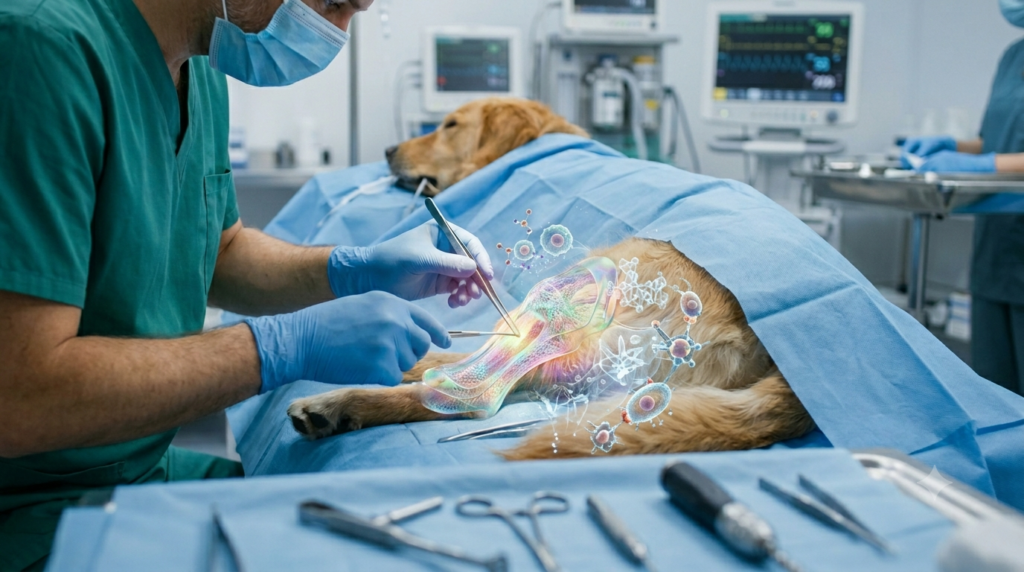
Bioactive glass granules, scaffolds, and composites are used to fill bone defects and support bone healing in complex fractures. The material promotes osseointegration and stimulates new bone formation, which may help shorten recovery time and improve surgical success.
It is especially beneficial in:
Dental disease is very common in dogs and cats and can often lead to bone loss around teeth.
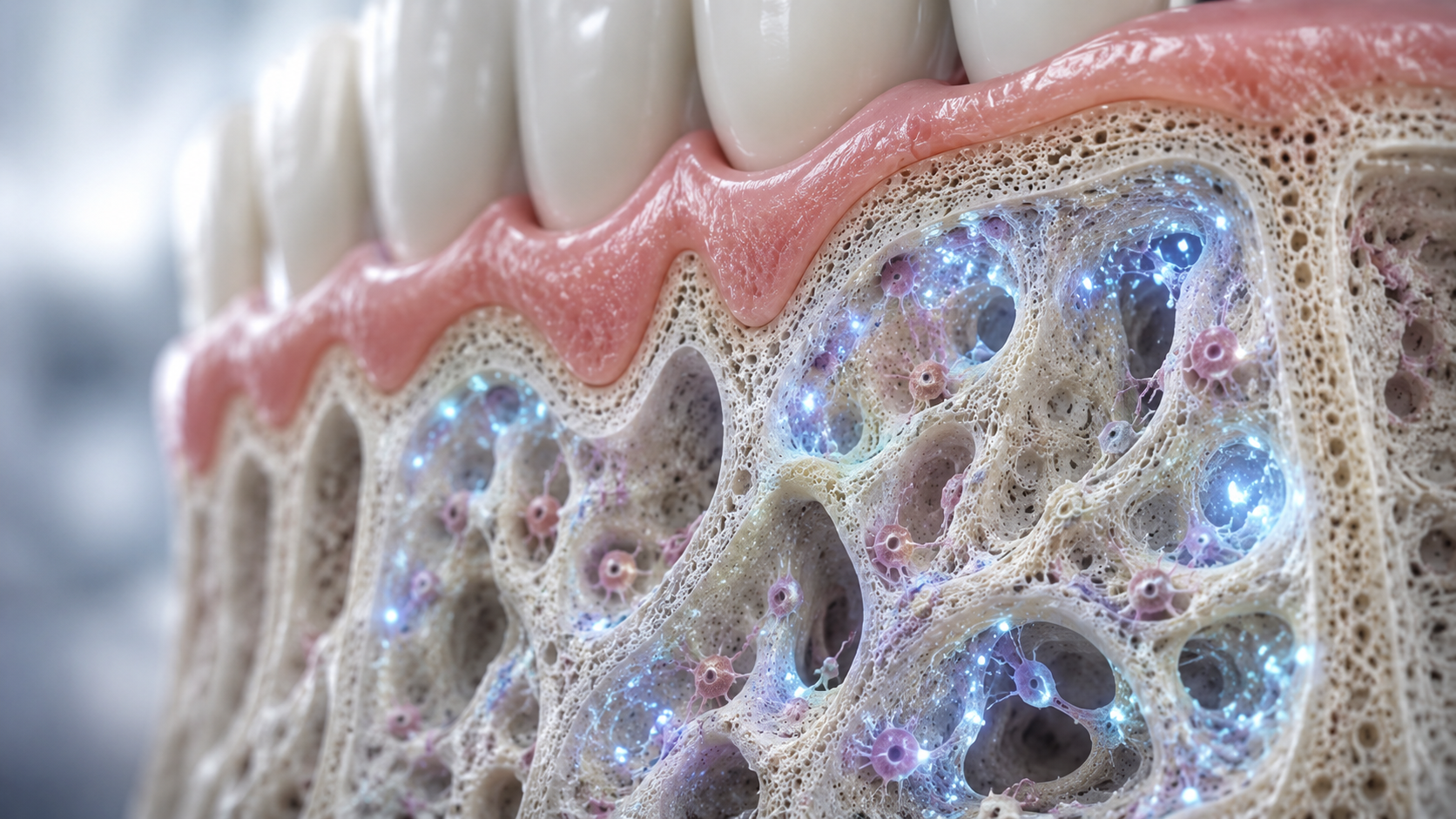
Because of its regenerative and antibacterial properties, bioactive glass is being increasingly explored in veterinary dental procedures.
Applications include:
Its ability to support healing while helping control bacterial growth makes it highly useful in veterinary dental care.
Joint reconstruction surgeries often require materials that can integrate effectively with bone while supporting long-term stability.
Bioactive glass composites are now being investigated for reconstructive orthopedic procedures and implant coatings because of their osteoconductive properties.
Research also suggests future potential in:
Compared to conventional bone graft materials, bioactive glass offers several important advantages in veterinary orthopedic procedures.
| Feature | Traditional Bone Grafts | Bioactive Glass |
| Bone Regeneration | Moderate | High |
| Infection Resistance | Limited | Strong antibacterial activity |
| Donor Site Requirement | Often needed | Not required |
| Biocompatibility | Variable | Excellent |
| Resorption and Replacement | Slow or incomplete | Controlled degradation |
| Tissue Integration | Moderate | Strong bone bonding |
Traditional autografts require bone harvesting from another area of the animal’s body, which can increase pain and surgical complexity.
Bioactive glass eliminates this requirement while still supporting effective bone healing and regeneration.
Its versatility also allows it to be combined with polymers, ceramics, and growth factors for next-generation veterinary biomaterial applications.
The future of veterinary orthopedics is becoming closely connected with regenerative medicine and tissue engineering.
Researchers are actively developing:
New-generation bioactive glasses are also being engineered with therapeutic ions such as strontium and cerium to further enhance:
In large-animal models, bioactive glass scaffolds are already being explored for complex bone regeneration procedures.
As regenerative veterinary medicine continues to advance, bioactive glass is expected to play a major role in improving treatment outcomes for both companion animals and livestock.
Bioactive glass is emerging as one of the most promising biomaterials in modern veterinary orthopedics.
Its ability to bond directly with bone, support natural regeneration, and resist bacterial infection makes it highly valuable in fracture repair, dental procedures, and reconstructive surgeries in animals.
Compared to traditional grafting materials, bioactive glass offers:
As research in veterinary biomaterials and regenerative medicine continues to grow, bioactive glass-based solutions are expected to become increasingly important in clinical veterinary practice.
With ongoing advancements in tissue engineering and orthopedic innovation, bioactive glass is helping shape the future of safer, more effective bone healing treatments for animals.
1. Nozari LB, Oliveira HFF, Marinho GD, Santiago Junior JF, Marques MM, Deboni MCZ, et al. Bioactive glasses as bone substitutes for animal critical defects: a systematic review. Braz Dent J. 2025;36. PMCID: PMC12551993. PMID: 41172497.
2. Jones JR. Bioactive glass in tissue engineering. Acta Biomater. 2011;7(12):445–457. PMCID: PMC3085647.
3. Rahaman MN, Day DE, Sonny Bal B, Fu Q, Jung SB, Bonewald LF, et al. Bioactive glass in tissue engineering. Acta Biomater. 2011;7(6):2355–2373. PMCID: PMC3085647.
4. Baino F, Hamzehlou S, Kargozar S. Bioactive glass scaffolds for bone regeneration: state of the art and future perspectives. Materials (Basel). 2018;11(7):1152.
5. Hench LL, Jones JR. Bioactive glasses in dentistry and oral regeneration. Dent Mater. 2015;31(6):659–670.
6. Baino F, Novajra G, Vitale-Brovarone C. Bioceramics and bioactive glasses for bone tissue engineering. Front Bioeng Biotechnol. 2015;3:202.7. Jones JR. Review of bioactive glass: from Hench to hybrids for tissue engineering and regenerative medicine. Acta Biomater. 2013;9(1):4457–4486.