
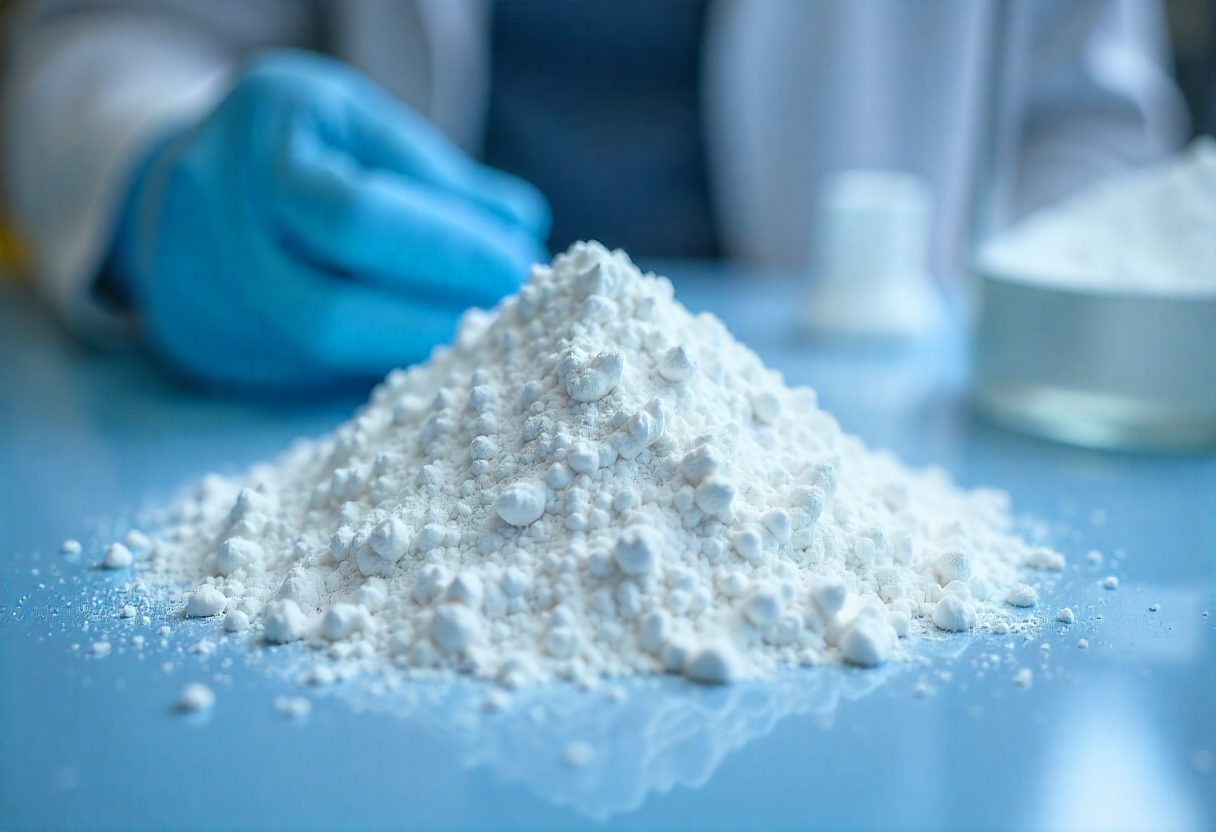

In recent decades, the field of biomaterials has witnessed revolutionary advancements, and among them, bioactive glass has emerged as a groundbreaking innovation. Initially developed in the late 1960s by Professor Larry Hench, this unique material has redefined how we approach tissue repair, regeneration, and medical implant technology.
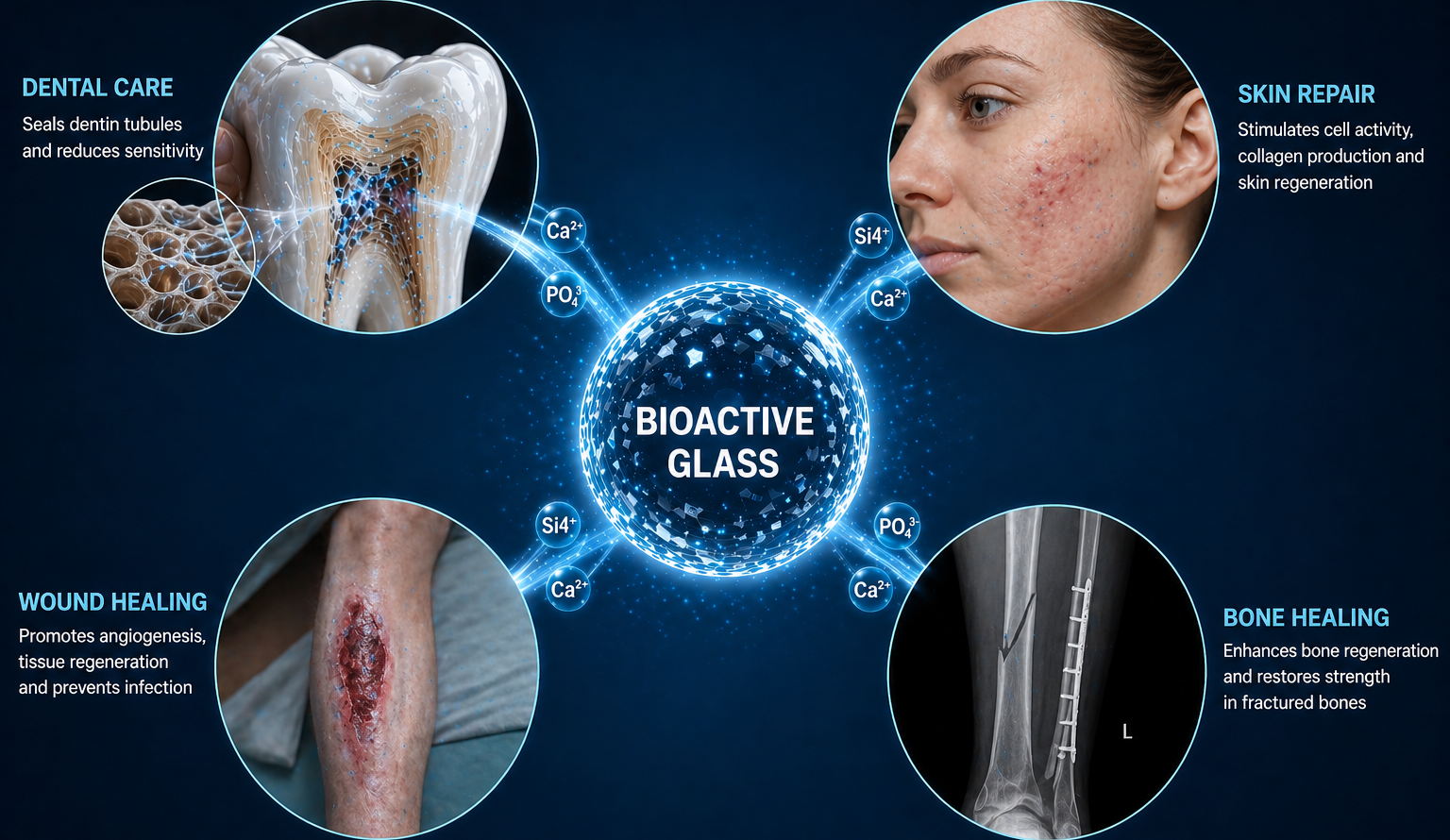
Unlike inert materials traditionally used in healthcare, bioactive glass interacts actively with the human body. It not only supports healing but also stimulates biological responses that promote new tissue formation. Today, it’s used in *bone regeneration, dentistry, wound healing, and even *drug delivery systems, making it one of the most versatile materials in modern medicine.
Bioactive glass is a specialized type of glass composed of *silicon dioxide (SiO₂), **calcium oxide (CaO), **sodium oxide (Na₂O), and **phosphorus pentoxide (P₂O₅). Unlike traditional glass, which is chemically stable and inert, bioactive glass is designed to *react with physiological fluids, forming a bond with living tissues.
When bioactive glass comes in contact with body fluids, it releases ions like calcium, sodium, and phosphate, which trigger the formation of hydroxycarbonate apatite (HCA) — a mineral similar to natural bone. This bioactive reaction creates a seamless bond between the glass and surrounding tissue, making it ideal for bone and dental implants.
The SiO₂–CaO–P₂O₅ system forms the core chemical structure of bioactive glass and is responsible for its regenerative behavior. In this composition, silicon dioxide (SiO₂) creates the glass network, calcium oxide (CaO) enhances bioactivity and supports mineral formation, while phosphorus pentoxide (P₂O₅) promotes the development of calcium-phosphate layers similar to natural bone minerals. Together, these components enable bioactive glass to interact with body fluids, release therapeutic ions, and stimulate the formation of hydroxycarbonate apatite (HCA), allowing strong biological bonding with bone and dental tissues.
The surface reactivity mechanism of bioactive glass is the key process responsible for its exceptional bioactivity and tissue-bonding capability. When bioactive glass comes into contact with physiological fluids, its surface undergoes a series of controlled chemical reactions that trigger ion exchange, silica gel formation, and calcium-phosphate deposition. This reaction sequence ultimately leads to the formation of hydroxycarbonate apatite (HCA), a mineral layer chemically similar to natural bone and tooth structure. The controlled release of calcium, phosphate, and silicate ions not only enhances biological bonding but also supports bone regeneration, remineralization, and cellular activity. This unique surface reactivity mechanism makes bioactive glass highly effective in regenerative medicine, dental applications, and tissue engineering technologies.
Hydroxyapatite formation is one of the most important biological processes associated with bioactive glass and plays a critical role in tissue regeneration and biomaterial integration. When bioactive glass interacts with body fluids, it releases calcium and phosphate ions that gradually accumulate on the material surface, forming a calcium-phosphate layer. Over time, this layer crystallizes into hydroxyapatite – a mineral chemically and structurally similar to the natural mineral phase of human bone and teeth.
This hydroxyapatite formation mechanism enables strong biological bonding between bioactive glass and surrounding tissues, enhancing bone healing, dental remineralization, osteointegration, and long-term implant stability. The ability to stimulate rapid hydroxyapatite formation is a defining feature that makes bioactive glass highly valuable in regenerative medicine, orthopedic applications, and advanced dental care.
The bioactivity index is a scientific parameter used to measure the ability of a biomaterial, particularly bioactive glass, to form a biological bond with living tissues. It primarily reflects how rapidly and effectively the material can initiate hydroxyapatite formation on its surface after contact with physiological fluids. A higher bioactivity index indicates faster tissue integration, enhanced bone bonding, and superior regenerative performance. In bioactive glass technology, the bioactivity index is strongly influenced by the material’s chemical composition, ion release behavior, surface reactivity, and silica-calcium-phosphate balance. This concept is widely used in biomaterials research to evaluate the effectiveness of bioactive glass in bone regeneration, dental remineralization, implant coatings, and tissue engineering applications.
The mechanism of bioactive glass involves a series of chemical reactions that occur at the interface between the material and body fluids:
This four-step process makes bioactive glass one of the few materials that form a biochemical bond with bone tissue instead of just mechanical attachment.
Bioactive glass manufacturers use advanced processing technologies to develop biomaterials with controlled bioactivity, porosity, mechanical strength, and regenerative performance. Among the most widely researched and commercially adopted production methods are melt-derived bioactive glass and sol–gel bioactive glass processing. These manufacturing techniques significantly influence the surface reactivity, ion release behavior, hydroxyapatite formation, and clinical effectiveness of bioactive glass in dental, orthopedic, and tissue engineering applications.
The melt-derived or melt-quenching method is the traditional manufacturing process used for producing bioactive glass compositions such as 45S5 Bioglass®. In this process, raw materials including silica (SiO₂), calcium oxide (CaO), sodium oxide (Na₂O), and phosphorus pentoxide (P₂O₅) are melted at high temperatures and rapidly cooled to form an amorphous glass structure. Melt-derived bioactive glass offers excellent mechanical strength, compositional stability, and scalability for large-scale biomedical manufacturing, making it widely used in orthopedic implants, dental materials, and bone graft substitutes.
The sol–gel method is an advanced chemical synthesis process that produces highly porous and nanostructured bioactive glass with increased surface area and enhanced bioactivity. Unlike melt-derived processing, sol–gel fabrication occurs at relatively lower temperatures, allowing better control over porosity, ion release, and surface chemistry. Sol–gel bioactive glass demonstrates faster hydroxyapatite formation, improved osteostimulation, and superior tissue interaction, making it highly valuable in drug delivery systems, tissue engineering scaffolds, and regenerative medicine applications.
The success of bioactive glass in modern healthcare is due to its exceptional biological and mechanical properties:
These properties make bioactive glass a preferred choice for regenerative medicine, particularly in orthopedics and dentistry.
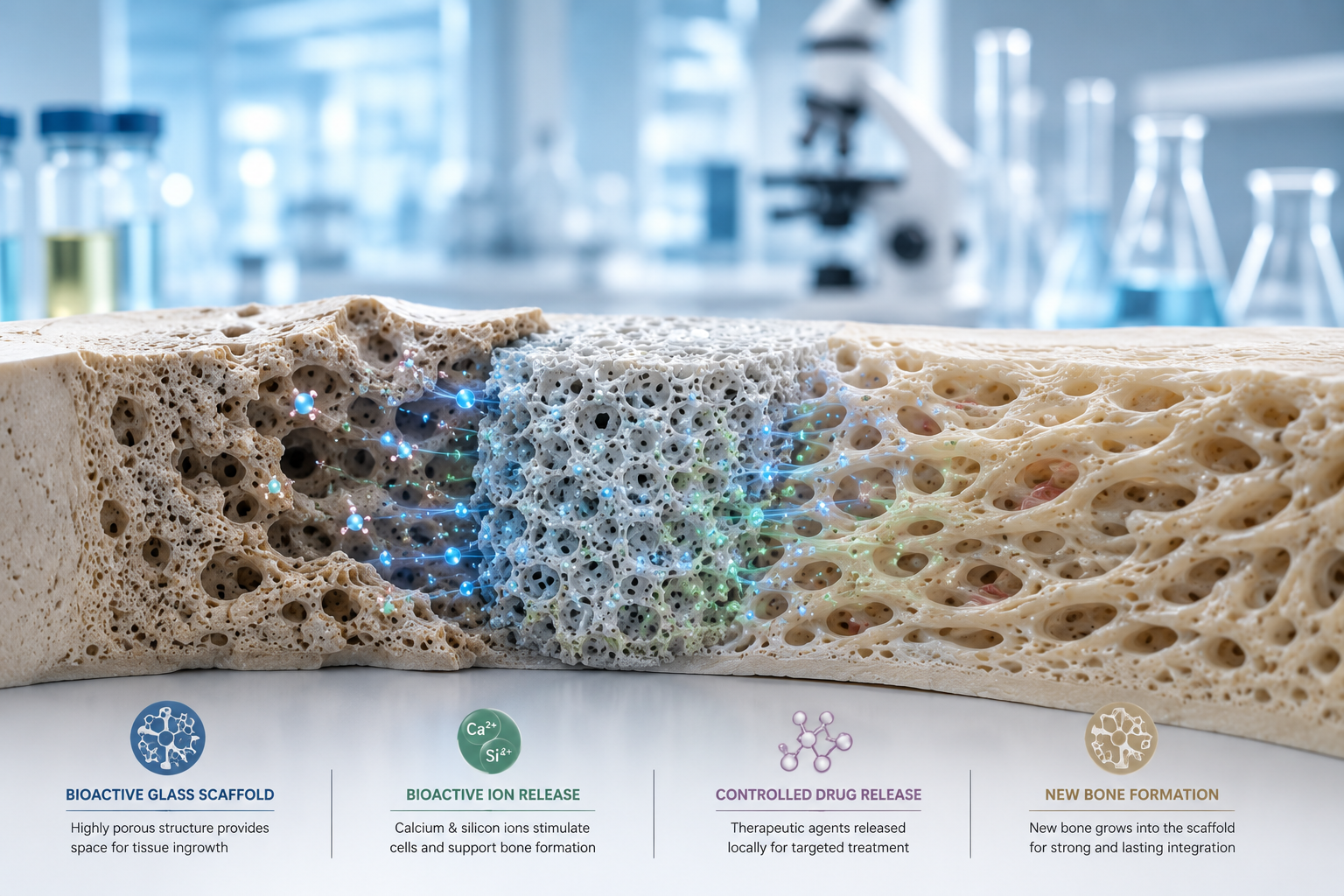
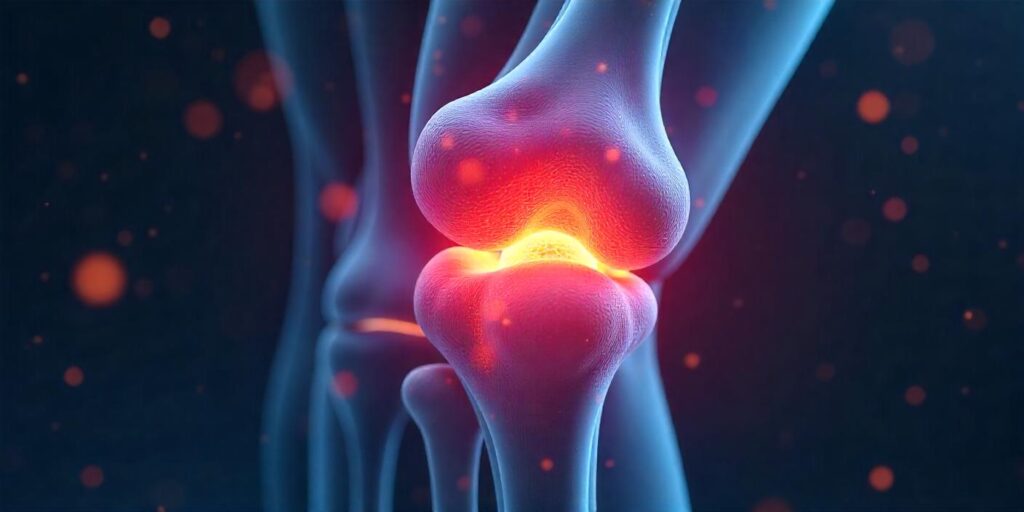
Bioactive glass is widely used in bone grafts and orthopedic implants. When used in bone defects, it promotes rapid bone regeneration by stimulating osteoblast (bone-forming cell) activity.
It serves as a scaffold that supports new bone tissue growth while gradually dissolving and being replaced by natural bone.
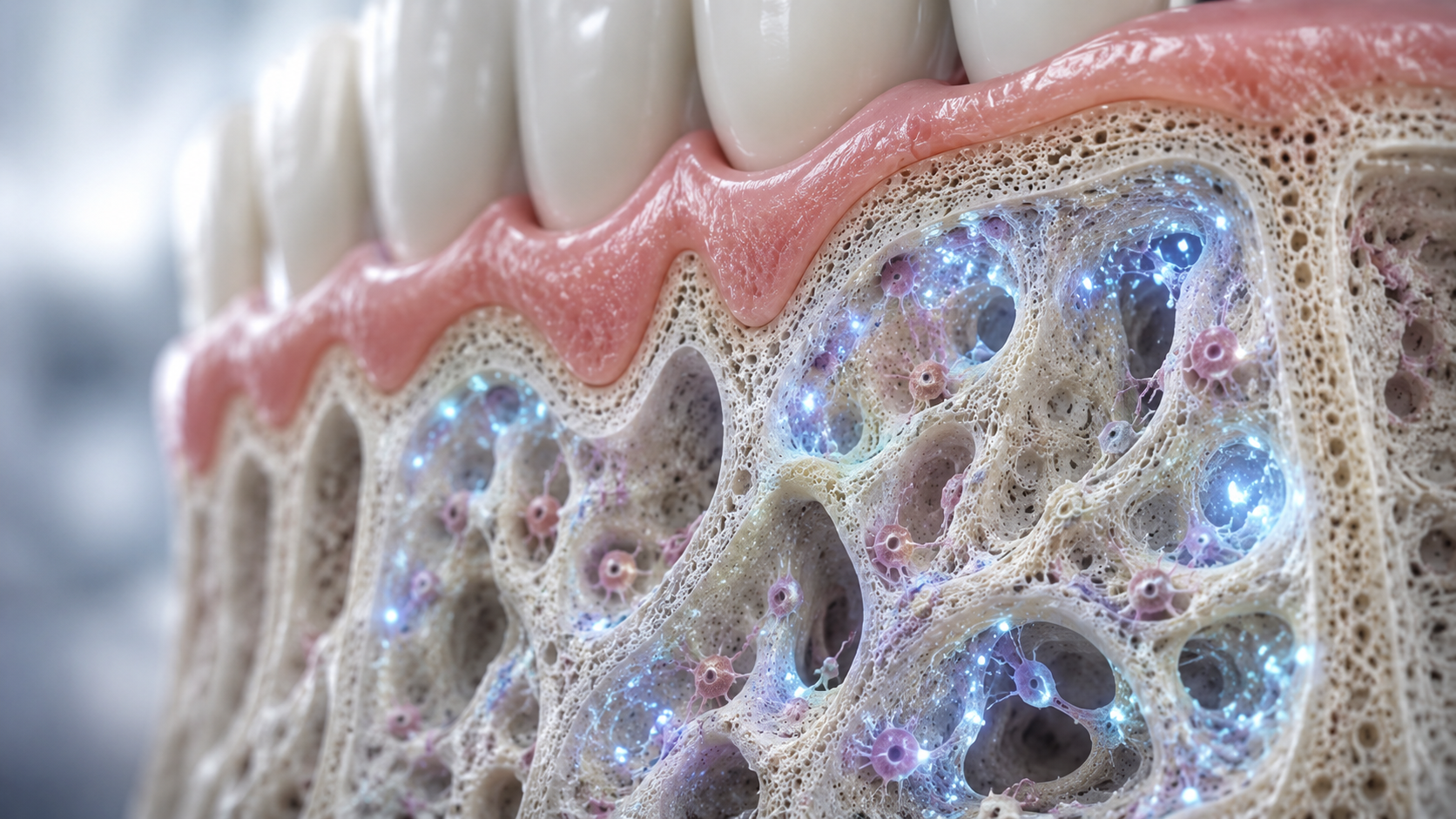
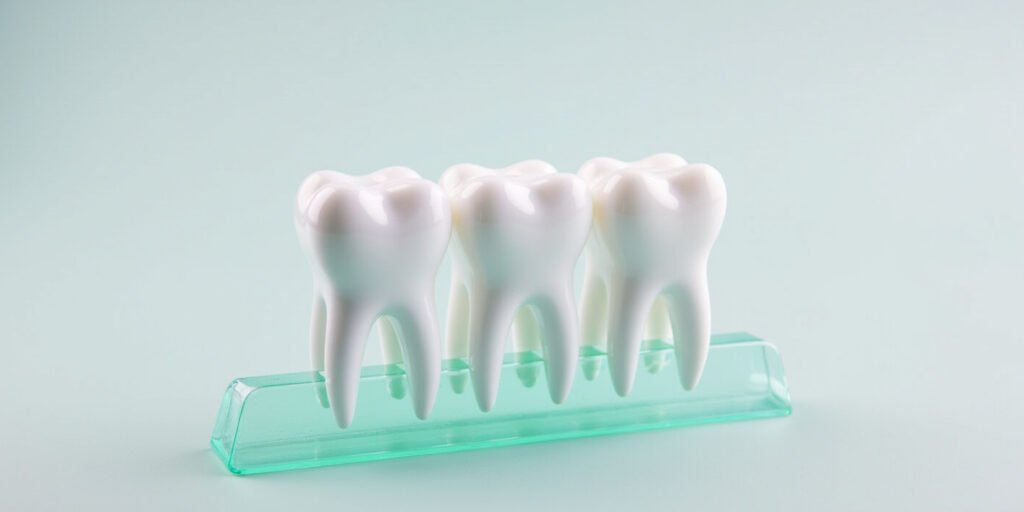
In dentistry, bioactive glass is used in tooth fillings, root canal treatments, and toothpaste formulations. Its ability to bond with dentin and enamel helps repair micro-cracks and reduce tooth sensitivity.
Leading dental brands now include bioactive glass-based toothpaste that releases calcium and phosphate ions to restore lost minerals in enamel.
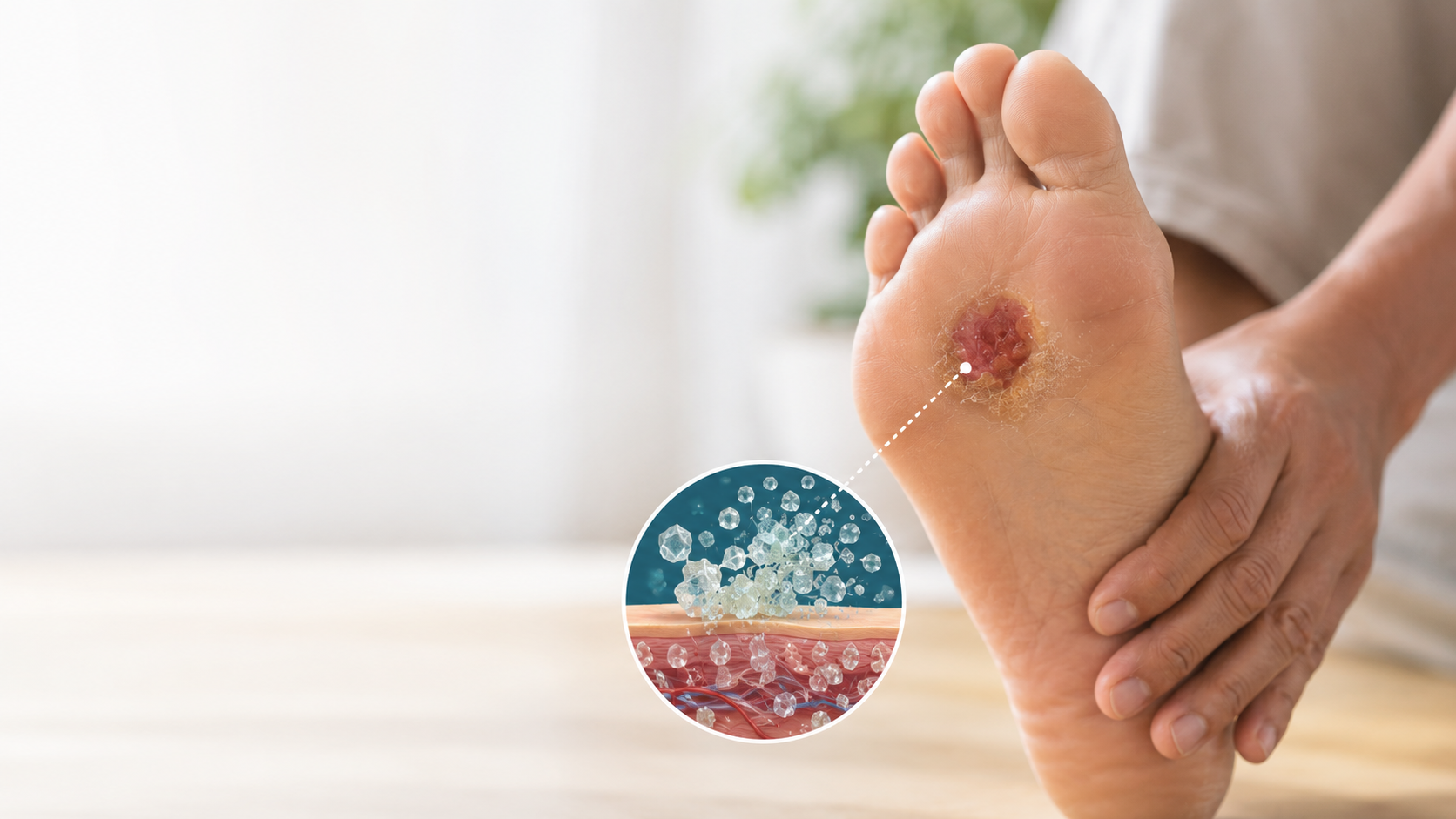
Beyond hard tissues, bioactive glass is now being used in soft-tissue applications. Bioactive glass fibers and powders help accelerate wound healing by promoting angiogenesis (formation of new blood vessels) and reducing infection risk.
Its antibacterial nature makes it ideal for chronic wounds, burns, and diabetic ulcers.
Recent research has explored bioactive glass nanoparticles as carriers for targeted drug delivery. These nanoparticles can encapsulate therapeutic agents and release them slowly at specific body sites, improving treatment precision and reducing side effects.
Surgeons also use bioactive glass for repairing cranial defects and middle ear bones. Its customizable shape, biocompatibility, and ability to integrate with living tissue make it perfect for reconstructive procedures.
Unlike metals or polymers, bioactive glass doesn’t cause inflammation or rejection. Instead, it interacts harmoniously with surrounding tissues, leading to faster recovery and reduced complications.
Traditional implants often act as replacements for damaged tissues. In contrast, bioactive glass encourages natural tissue regeneration, which means the patient’s own cells rebuild the damaged area over time.
Bioactive glass has intrinsic antibacterial properties due to the alkaline environment created during ion release. This reduces infection risks, especially in surgical implants.
By adjusting the ratio of oxides, manufacturers can fine-tune the dissolution rate, strength, and porosity of bioactive glass, making it suitable for everything from dental fillers to large bone grafts.
Bioactive glass is non-toxic, does not release harmful residues, and is made from naturally abundant materials — making it an eco-friendly alternative to synthetic polymers.
Modern research has taken bioactive glass beyond its traditional composition. Scientists are exploring hybrid formulations and nanoscale variations for enhanced performance.
Modern dental implant research has increasingly focused on improving osseointegration, bone regeneration, and long-term implant stability through advanced biomaterials such as bioactive glass. Multiple in vitro, in vivo, and clinical studies have demonstrated that bioactive glass-coated dental implants can enhance bone-to-implant bonding by stimulating osteoblast activity and accelerating hydroxyapatite formation on implant surfaces. Research published in clinical and biomaterials journals has shown that bioactive glass surface modification improves cellular attachment, promotes faster healing responses, and supports superior tissue integration compared to conventional implant materials.
Recent studies have also highlighted the antimicrobial and osteostimulative properties of bioactive glass in implant dentistry. Researchers have observed that controlled ionic release from bioactive glass surfaces creates a biologically active environment that supports bone remodeling while reducing bacterial colonization around implants. Advanced developments such as bioactive glass nanoparticle coatings, zirconium-modified bioactive glass, and 3D-printed bioactive scaffolds are further expanding the future of dental implant technology by improving implant longevity, peri-implant healing, and regenerative outcomes.
Bioactive glass has gained significant attention in orthopedic applications due to its exceptional bioactivity, osteoconductivity, and regenerative capabilities. Scientific studies have demonstrated that bioactive glass supports bone tissue regeneration by stimulating osteoblast proliferation, enhancing mineralization, and promoting rapid hydroxyapatite formation at the implant surface. Its ability to form a strong biological bond with surrounding bone makes it highly effective in bone grafting, spinal fusion, fracture repair, and orthopedic implant coatings. Research has also shown that bioactive glass can gradually dissolve and be replaced by newly formed bone, supporting natural healing and long-term skeletal integration.
In addition to bone regeneration, orthopedic research highlights the antibacterial and anti-inflammatory properties of bioactive glass, which help reduce implant-associated infections and improve post-surgical recovery. Advanced formulations such as mesoporous bioactive glass, bioactive glass composites, and 3D-printed orthopedic scaffolds are being extensively studied for personalized bone reconstruction and tissue engineering applications. These innovations have positioned bioactive glass as a transformative biomaterial in modern orthopedics, offering enhanced healing performance, improved implant stability, and better clinical outcomes in regenerative bone therapy.
Multiple peer-reviewed studies have confirmed the effectiveness of bioactive glass in orthopedic and bone regeneration applications. Research demonstrates that bioactive glass promotes osteogenesis, enhances hydroxyapatite formation, supports angiogenesis, and improves bone-to-implant integration through controlled ionic release and surface bioactivity. Clinical and experimental studies have also highlighted its antibacterial potential and regenerative performance in bone grafting, fracture repair, spinal fusion, and tissue engineering applications. These findings have positioned bioactive glass as one of the most extensively researched biomaterials in modern orthopedic science.
In dentistry, bioactive glass has completely changed the way we treat tooth decay and enamel erosion. Products containing bioactive glass like NovaMin® release calcium and phosphate ions that naturally rebuild lost enamel minerals.
Dentists use bioactive glass-based materials in:
The result is not only aesthetic restoration but also functional and biological integration.
| Feature | Bioactive Glass | Traditional Biomaterials |
|---|---|---|
| Biocompatibility | Excellent | Moderate |
| Tissue Bonding | Chemical & biological | Mostly mechanical |
| Antibacterial Action | Yes | No |
| Regenerative Properties | Stimulates natural healing | Acts as inert filler |
| Degradation | Controlled & safe | Often permanent |
| Applications | Bone, dental, wound, drug delivery | Limited to implants |
Clearly, bioactive glass offers broader functionality and better integration with human biology.
Despite its remarkable benefits, bioactive glass still faces challenges such as brittleness and limited flexibility. However, ongoing research in nanotechnology and composite engineering aims to overcome these limitations.
The future looks promising, with bioactive glass expected to play a crucial role in tissue engineering, regenerative medicine, and personalized implants. As researchers continue to explore its full potential, we can expect smarter, more responsive materials that work in harmony with the body.
Bioactive glass is more than just a material — it’s a scientific breakthrough reshaping modern healthcare. From bone grafts to wound healing and dental care, it has proven its ability to regenerate tissues naturally, prevent infections, and enhance patient recovery.
As innovation continues, the integration of bioactive glass in medicine will only grow stronger, paving the way for a future where healing becomes faster, safer, and more sustainable
Contact us through Synthera Biomedical social platforms to stay informed about pioneering bioactive glass research and clinical applications. Follow us on Instagram for product launches and research updates. Join the conversation on Facebook to access valuable resources and community news.